
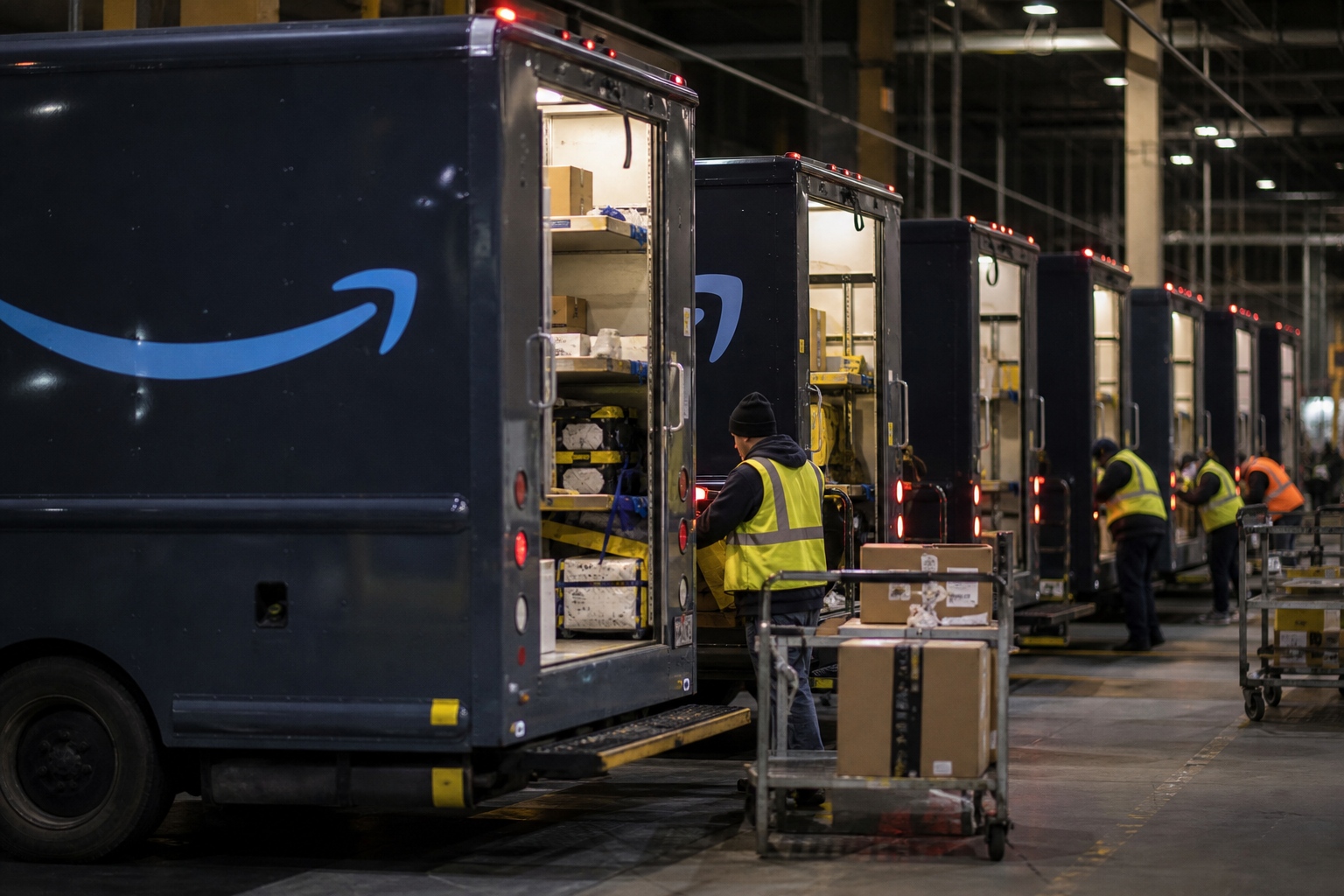
Amazon's recent push into the trucking and logistics sector signals a significant shift in how freight services may be structured in the coming years. With the company expanding its in-house logistics offerings, it poses a growing threat to traditional freight companies, which could lead to notable market ramifications.
As Amazon continues to enhance its logistics capabilities, the implications for the freight industry are profound. The company is not only increasing its own operational efficiency but is also providing other businesses access to its logistics services. This trend may disrupt the established logistics landscape, forcing traditional players to reevaluate their strategies.
Impact on Traditional Freight Companies
The expansion of Amazon's logistics capabilities could have a significant impact on the operational landscape of traditional freight companies. These incumbents may find it challenging to compete with Amazon, which leverages advanced technology and significant capital to streamline logistics.
As a result, the stock market has reacted accordingly. Traditional logistics companies have faced stock selloffs as investors reassess their future growth potential in light of Amazon's disruptive entry into the market. The selloff suggests that investors are concerned about the potential decline in market share for these companies, leading to a reevaluation of their valuations.
Market Reactions and Stock Selloffs
The stock selloff among logistics incumbents serves as an indicator of the market's sentiment towards Amazon's expansion. As more details about Amazon's offerings come to light, traditional companies are seeing their stock prices pressured.
Recent trading volumes and price movements indicate a potential shift in investor confidence. Notably, logistics companies have seen a decline in their stock values, suggesting that the market is adjusting expectations in response to Amazon's aggressive strategy.
Future Implications for Logistics REITs and Supply Chain Stocks
The implications of Amazon's expansion extend beyond traditional freight companies; logistics real estate investment trusts (REITs) and supply chain stocks in North America may also face challenges. As Amazon enhances its logistics capabilities, these entities may need to adapt to a new competitive landscape that prioritizes efficiency and technological innovation.
Investors in logistics REITs and supply chain stocks should consider how Amazon's growing presence might impact rental rates, property values, and overall demand for logistics space. The changing dynamics could lead to a reevaluation of investment strategies across the sector.
Navigating the Evolving Logistics Landscape
For investors looking to navigate this evolving logistics landscape, understanding the implications of Amazon's expansion is crucial. Strategies may include diversifying investments to mitigate risks associated with traditional logistics companies while exploring opportunities within innovative logistics firms that could thrive in a more competitive environment.
Overall, while Amazon's freight expansion poses challenges for traditional players, it also opens up new avenues for growth and innovation in the logistics sector.
For more detailed insights, you can read the full article on CNBC.