
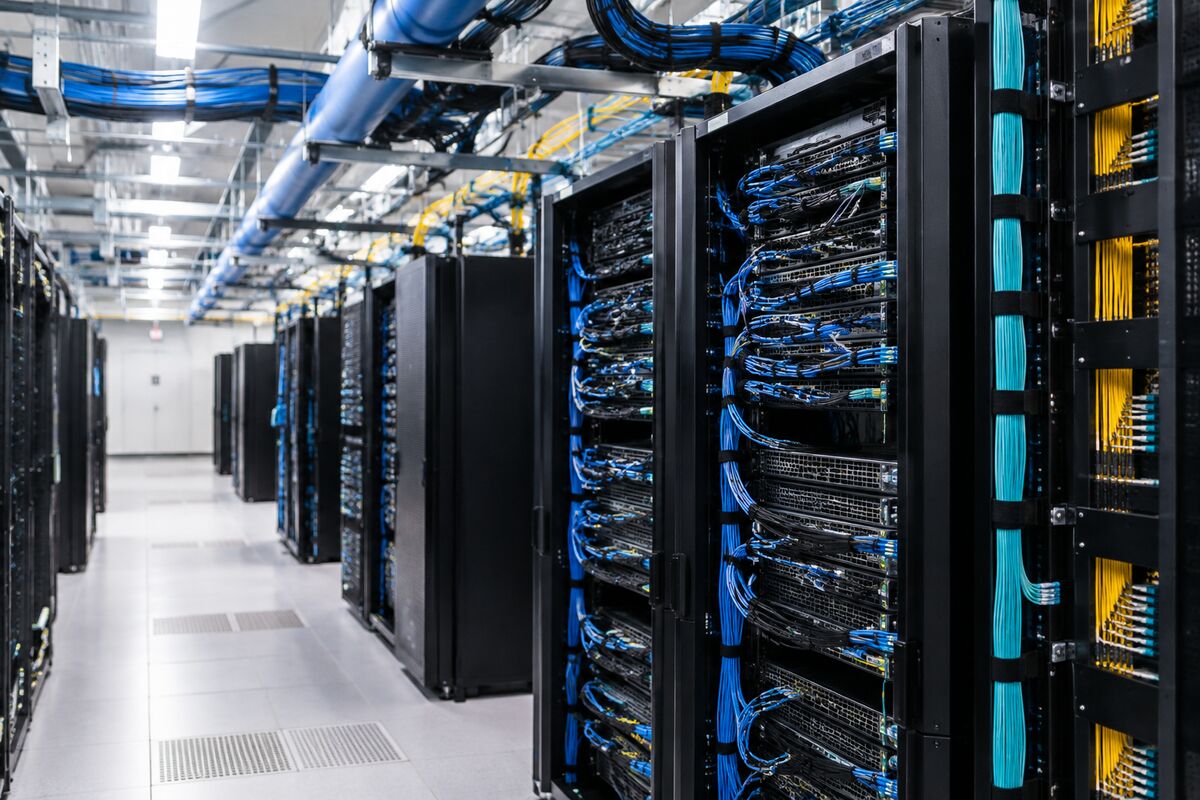
Canada’s AI ambitions are moving onto familiar ground: the telecom network. Bell Canada and Cisco have announced a collaboration on sovereign AI infrastructure, a partnership that places domestic data and computing capabilities at the center of the next infrastructure conversation.
The announcement does not include a contract value, deployment schedule, customer list, spending commitment or financial guidance. But its strategic signal is clear enough: as AI systems require more computing capacity and network connectivity, Canadian telecom operators and technology suppliers may find themselves increasingly involved in building the infrastructure around them.
Seeking Alpha reported the Bell Canada-Cisco collaboration on September 29, 2026. The companies’ announcement arrives as investors are watching the broader AI infrastructure buildout—not only the companies developing AI applications, but also the networks, data environments and computing systems needed to support them.
What “sovereign AI” means
Sovereign AI infrastructure generally refers to AI data and computing capabilities operated under a country’s own legal, regulatory and infrastructure framework. In a Canadian context, that concept may involve keeping certain data, computing resources and AI workloads within Canada, depending on the requirements of organizations and public institutions.
That is a broad strategic idea, not a disclosure of what Bell Canada and Cisco will specifically deploy. The announcement provides no figures for computing capacity, facilities, customers or investment. Still, the partnership highlights how questions about where AI is built and operated can become questions about who provides the underlying connectivity and technology.
Why the collaboration may matter to investors
For Bell Canada, the sovereign-AI theme may connect telecom infrastructure to a new category of digital demand. Telecom companies are already associated with networks and connectivity; sovereign AI adds the possibility that domestic data and computing requirements could become part of the infrastructure discussion. Whether that translates into material capital spending remains unstated, and the announcement should not be read as financial guidance.
For Cisco, the collaboration places networking equipment and infrastructure expertise inside a Canadian AI narrative. AI workloads can create demanding requirements across data environments and networks, making the networking layer an important part of the wider buildout. The partnership therefore may be relevant to investors assessing how technology suppliers could participate in AI infrastructure beyond the most visible chip and software names.
The North American angle is equally important. The collaboration is Canadian in focus, but it reflects a broader question facing companies and policymakers across the region: how much AI capacity should be developed domestically, and what infrastructure will be needed to support it? Local data and computing priorities could shape telecom investment decisions and networking demand, although the announcement offers no timetable or quantified outlook.
A signal, not a spending forecast
The most defensible takeaway is strategic rather than numerical. Bell Canada and Cisco are signaling that sovereign AI infrastructure is becoming a partnership opportunity linking telecom networks, domestic computing and enterprise technology. That may keep AI-related infrastructure on the radar for investors tracking North American telecom capital spending and networking-equipment demand.
For now, however, the announcement is a marker of direction—not proof of a specific financial outcome. The details that would determine its economic weight, including commitments, deployment scope and customer adoption, were not provided.
Bull/Bear Verdict
Bull Case: The collaboration may position Bell Canada and Cisco to participate in Canada’s sovereign AI infrastructure push, potentially linking telecom investment with broader demand for domestic computing and networking capabilities.
Bear Case: The announcement includes no contract value, deployment timeline, customer figures or financial guidance, so its eventual effect on capital spending or networking-equipment demand remains uncertain.