
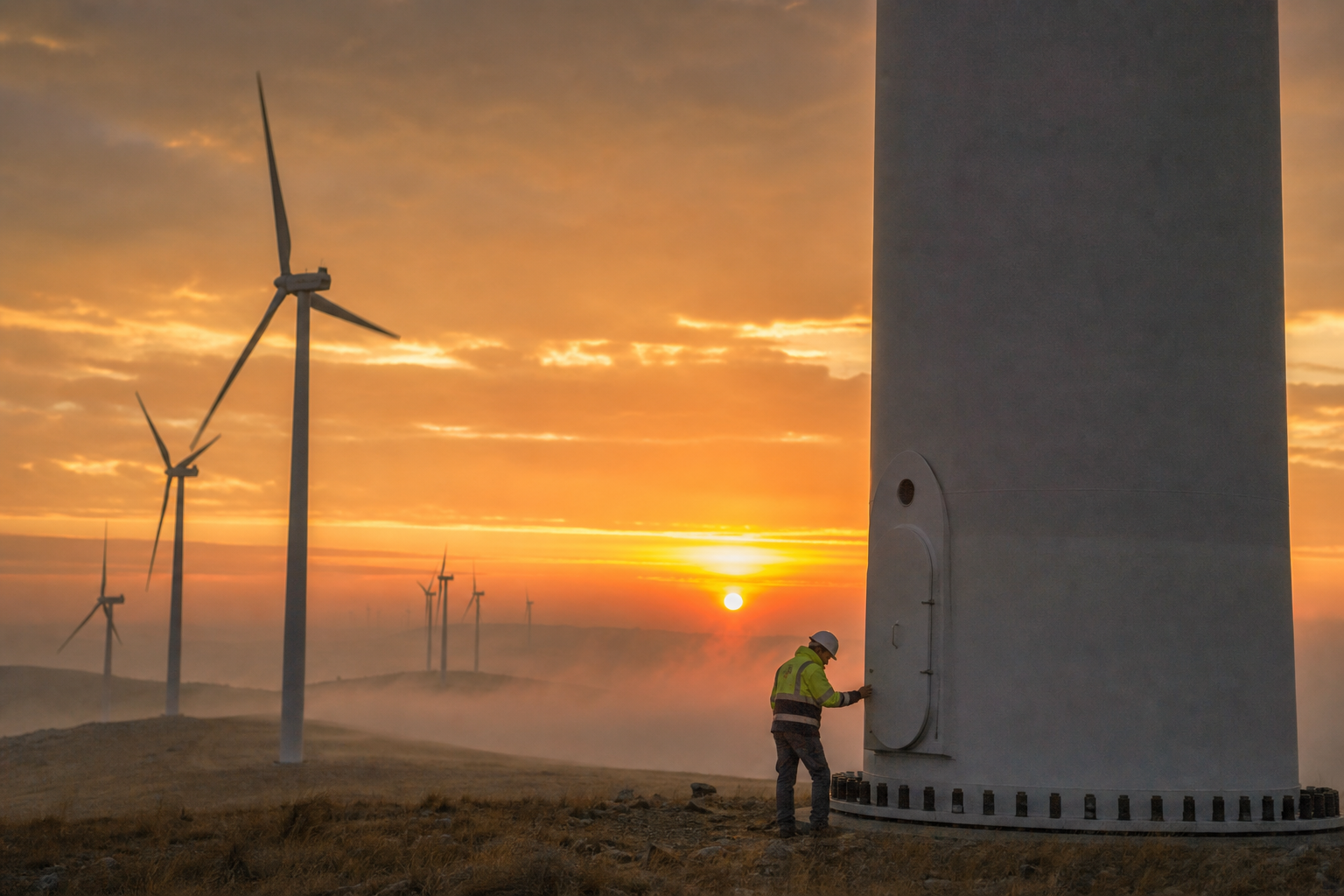
The winds of change are blowing through the Canadian renewable energy sector, and the recent acquisition of Boralex (TSX: BLX) by Brookfield Asset Management and La Caisse de dépôt et placement du Québec is at the center of this transformative tempest. As these institutional heavyweights take the helm, the ramifications of this move could ripple through the market, impacting not only Boralex but the broader landscape of renewable energy investments across Canada.
This acquisition, which underscores a growing trend of consolidation in the renewable energy sector, may indicate a shift in how institutional investors perceive clean energy assets. With Brookfield and La Caisse joining forces, they bring not only capital but also a wealth of experience in managing and scaling renewable energy projects. This partnership could serve as a catalyst for future consolidations, inviting other players to consider similar strategies to enhance their market positions.
Significance of the Acquisition
Brookfield and La Caisse’s strategic move to acquire Boralex signals a new era for the Canadian renewable energy market. Boralex, known for its extensive portfolio of wind, solar, and hydroelectric power plants, now finds itself backed by two of the most formidable institutional investors in North America. This backing is expected to strengthen Boralex’s operational capabilities and accelerate its growth trajectory in a sector that is increasingly under the spotlight due to the urgent need for sustainable energy solutions.
Impact on the TSX-listed Renewable Energy Companies
As this acquisition unfolds, the effects may extend beyond Boralex. Other TSX-listed renewable energy companies could feel the pressure to adapt as market sentiment shifts. Investors may begin to recalibrate their expectations, anticipating increased competition for capital as institutional investors like Brookfield and La Caisse leverage their resources to drive innovation and efficiency in renewable energy projects.
Moreover, this move could trigger a wave of mergers and acquisitions within the sector, as smaller players seek to align themselves with larger entities that possess the financial muscle and strategic vision to thrive in a rapidly evolving energy landscape. The potential for future consolidations could reshape the competitive dynamics of the renewable energy market in Canada, creating a more consolidated but potentially more resilient industry.
The Role of Institutional Investors
Institutional investors are increasingly becoming pivotal players in the renewable energy sector, and the Boralex acquisition is a prime example of their growing influence. With their deep pockets and long-term investment horizons, institutions like Brookfield and La Caisse are well-positioned to spearhead the transition towards renewable energy in Canada. Their involvement not only brings financial resources but also strategic insights that could drive efficiency and innovation in the sector.
This trend could suggest a shift in how renewable energy assets are valued and managed, with institutional investors pushing for greater transparency and accountability in their investments. As these entities take on more significant roles, the landscape of Canadian renewable energy could become more structured, with a focus on sustainable practices and long-term viability.
Looking Ahead
As we look to the future, the acquisition of Boralex by Brookfield and La Caisse may be a harbinger of what’s to come in the Canadian renewable energy sector. With institutional investors at the forefront, the path towards a more sustainable energy economy could become clearer, albeit with its fair share of challenges and opportunities. The market will be watching closely, as this acquisition could set the tone for future developments in the industry.
For more details on the acquisition of Boralex, you can read the full report here.