
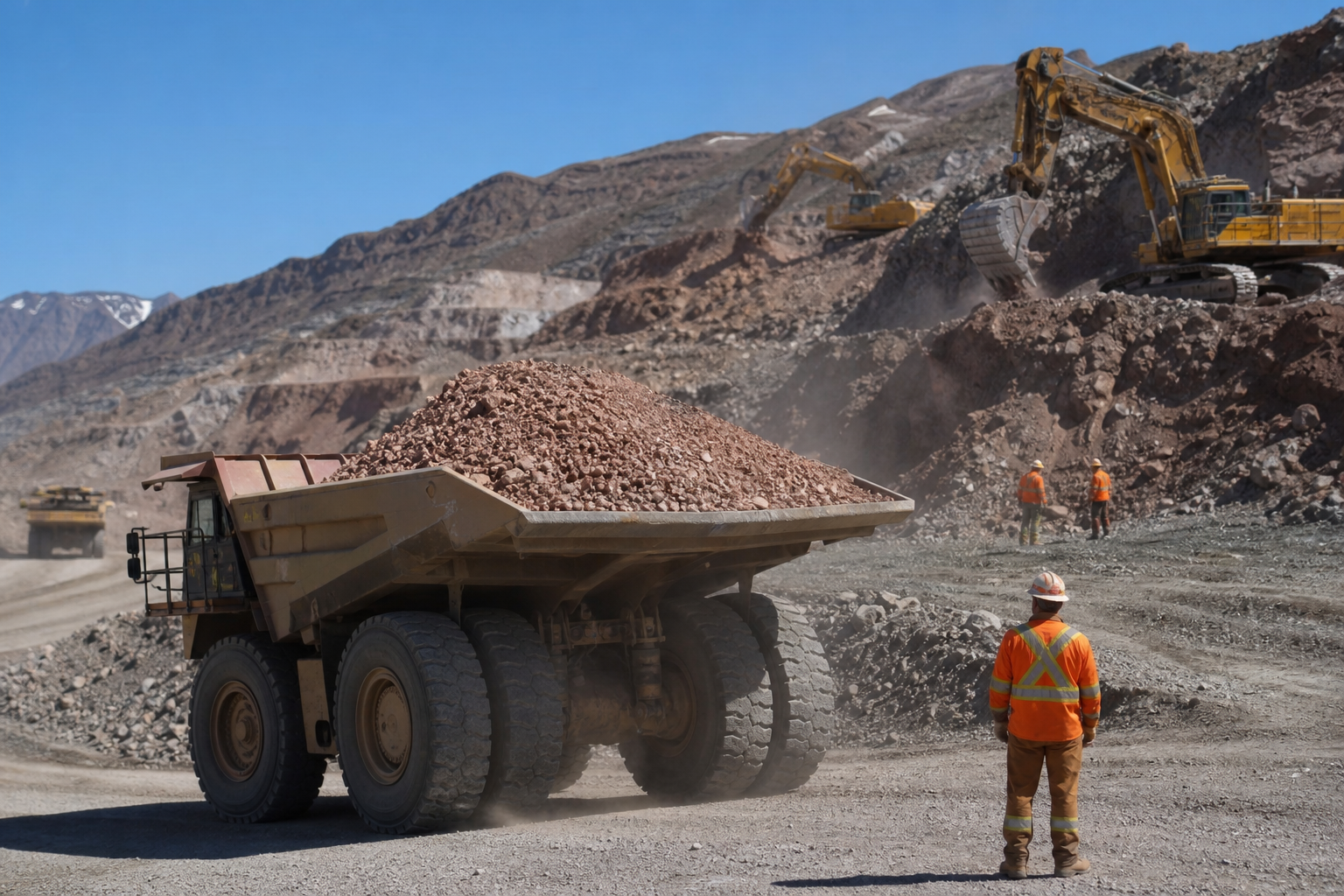
Canadian Mining Stocks Surge on Copper Demand Boost
The Canadian mining sector is proving itself indispensable to the broader equity market, with copper and diversified miners benefiting from industrial demand, electrification trends, and global resource needs. For equity investors tracking the TSX, this dynamic raises a critical question: how sustainable is the mining sector's contribution to index performance?
The data tells a compelling story. Canada's mining sector remains a cornerstone of TSX performance, with copper demand emerging as a primary catalyst. This isn't coincidental—it reflects structural shifts in global industrial activity and the accelerating transition to electrified economies.
Copper Demand and Electrification: The Structural Tailwind
Copper occupies a unique position in the commodity complex. The metal is essential to electrical infrastructure, renewable energy systems, and battery technologies. As global electrification accelerates—driven by EV adoption, grid modernization, and renewable energy deployment—copper demand could remain elevated for years.
This structural demand supports Canadian diversified miners and pure-play copper producers. The sector's exposure to this secular trend may explain why mining stocks continue to outperform during periods of economic uncertainty, when traditional equity sectors falter.
Global Resource Needs: A Persistent Tailwind
Beyond copper, global resource scarcity is reshaping capital allocation. Geopolitical fragmentation, supply chain vulnerabilities, and the energy transition have elevated the strategic importance of critical minerals. Canada's mining sector—with its geographic stability, regulatory framework, and resource diversity—stands to benefit from this reallocation of investment.
Industrial demand remains robust across multiple commodity categories. This diversification within the mining sector may provide downside protection if any single commodity faces cyclical weakness. Investors monitoring the sector should track whether this broad-based demand persists or narrows to specific metals.
TSX Performance and Sector Concentration
The mining sector's role as a key driver of TSX performance raises important portfolio considerations. Sector concentration can amplify returns during favorable periods but may also increase volatility. The strength of mining stocks suggests that TSX investors are gaining meaningful exposure to commodity-driven returns, whether intentionally or through broad index holdings.
The relationship between mining sector strength and broader TSX momentum indicates that commodity cycles and industrial demand remain central to Canadian equity market dynamics. This contrasts with markets where technology and consumer discretionary sectors dominate index composition.
What Investors Should Monitor
Several data points warrant close attention:
- Copper price trends: Watch for sustained demand signals from China and developed economies, as these drive mining sector valuations.
- Production and cost metrics: Rising operational costs could pressure margins even as commodity prices remain elevated.
- Capital expenditure cycles: Major miners' spending plans indicate confidence in long-term commodity demand.
- ESG and regulatory pressures: Environmental permitting and labor standards may impact production growth rates.
The implications of global resource needs on the sector's growth trajectory are multifaceted. Structural demand from electrification and supply chain localization could support mining stocks over extended periods. However, commodity-dependent sectors remain cyclical—valuations may compress if industrial activity slows or if supply increases faster than demand.
The Broader Picture
Canada's mining sector's position as a TSX cornerstone reflects both its operational importance and its sensitivity to global economic conditions. The current strength in copper and industrial demand may indicate that markets are pricing in sustained global industrial activity and the capital requirements of the energy transition.
For equity investors, the mining sector's performance offers a window into market expectations for global growth and resource scarcity. The sector's continued strength suggests that these expectations remain constructive—but data-driven investors should remain alert to shifts in commodity prices, production costs, and global demand indicators that could alter this narrative.
Bull/Bear Verdict
Bull Case: Structural demand from global electrification and renewable energy deployment may support sustained copper and industrial metal demand. Canada's mining sector benefits from geographic stability and resource diversity, positioning it to capture investment flows driven by global resource scarcity and supply chain localization trends. Continued TSX strength suggests markets are pricing in constructive long-term demand for critical minerals.
Bear Case: Commodity-dependent sectors remain cyclical, and mining stock valuations could compress if industrial activity slows or if global supply growth outpaces demand. Rising operational costs, ESG-related production constraints, and geopolitical uncertainty could pressure margins. Mining sector concentration in the TSX may amplify downside risk if commodity prices decline.