
CRH has made a decisive move to consolidate North America’s construction-materials supply chain. The company announced completion of its $8.5 billion acquisition of Arcosa, Inc., bringing a leading U.S. provider of aggregates and critical materials into its platform. For investors, the transaction is less about the headline price than the strategic control it may give CRH across markets where domestic capacity could face pressure from infrastructure development and reshoring demand.
The deal also creates a straightforward test of management execution. CRH now has to integrate a sizeable U.S. business while demonstrating that broader scale can translate into stronger commercial performance without creating operational complexity. That balance will shape the investment case for $CRH far more than the transaction announcement itself.
CRH originally agreed to acquire Arcosa on June 22, 2026. With the transaction now completed, the strategic rationale moves from presentation to implementation. As described by CRH, Arcosa brings an established position in U.S. aggregates and critical materials. Combining that footprint with CRH’s existing operations consolidates supply in a sector tied directly to construction, infrastructure and industrial activity across the United States.
A larger position in essential materials
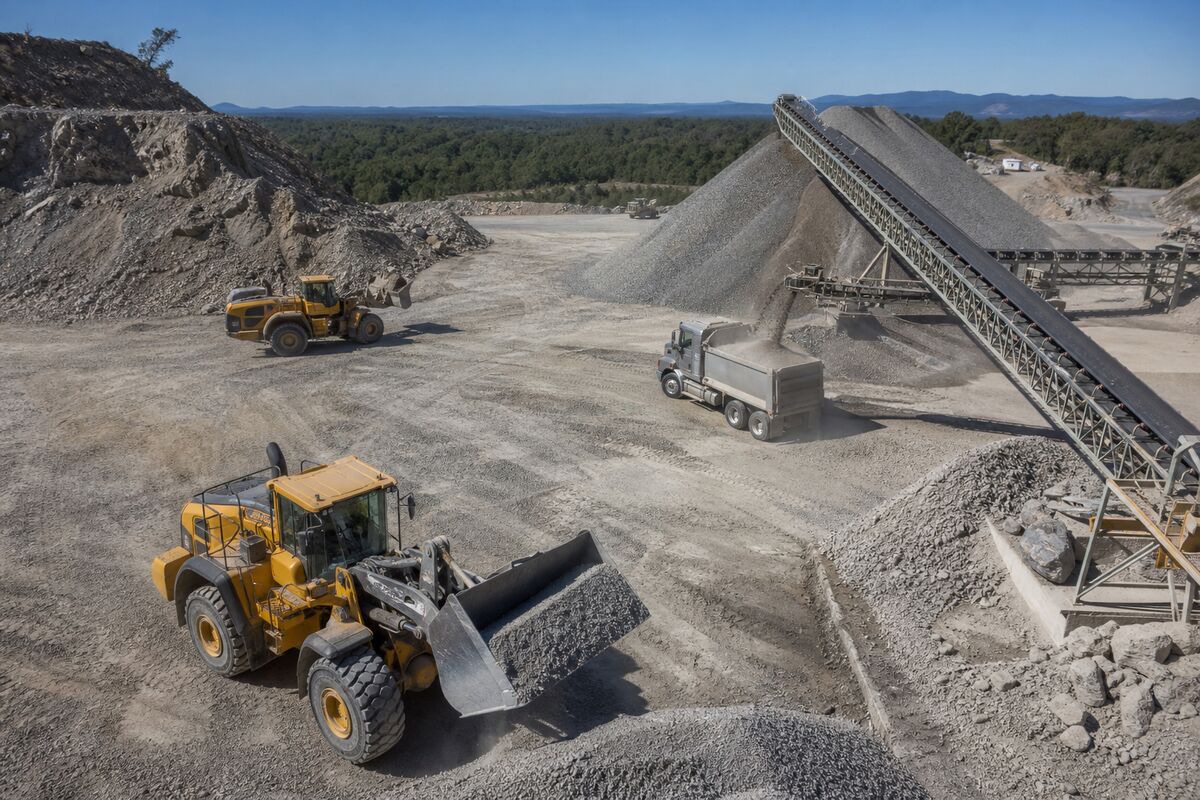
Aggregates are not glamorous, but that is precisely the point. They are fundamental inputs for construction and infrastructure, and their economic importance is determined less by novelty than by availability, transport logistics and proximity to end markets. A larger operating footprint could give CRH more density across U.S. markets and a broader platform from which to serve customers.
The acquisition also expands CRH’s exposure to critical materials. That phrase matters in an environment where policymakers and businesses are focused on domestic supply chains. The transaction therefore positions CRH at the intersection of construction-materials demand and the broader effort to strengthen U.S. industrial capacity.
Still, scale alone does not create value. The relevant question is whether CRH can combine the businesses effectively, preserve operating discipline and use its expanded presence to compete more efficiently. Investors will likely focus on how management describes the integration process, including the pace of execution and any operational challenges that emerge.
Pricing power is the next battleground
The enlarged platform may improve CRH’s negotiating position in North American construction markets, particularly where local supply is constrained and demand remains supported by infrastructure or reshoring activity. That could suggest greater pricing power over time. But pricing power is not automatic. It depends on regional competition, customer concentration, transportation economics and the company’s ability to maintain reliable supply.
That makes the Arcosa transaction a strategic opportunity, not a guaranteed outcome. A stronger position in aggregates and critical materials may help CRH participate in favorable market conditions, but the company must still prove that the combined footprint can support disciplined pricing and service levels.
What investors should monitor
- Integration execution: CRH’s ability to combine Arcosa without unnecessary disruption will be central to the post-deal story.
- Market positioning: Investors should watch whether the broader U.S. footprint improves CRH’s reach in aggregates and critical materials.
- Pricing discipline: The key commercial question is whether added scale translates into more resilient pricing in North American construction markets.
- Capacity pressure: Infrastructure and reshoring demand could test domestic construction-materials capacity, creating both opportunity and execution demands.
CRH’s announcement, available through Business Wire, marks the closing of the transaction—not the end of the analysis. The $8.5 billion deal gives CRH a larger U.S. aggregates and critical-materials platform. The next chapter will be written through integration performance and evidence that the expanded footprint can support pricing power.
Bull/Bear Verdict
Bull Case: The completed $8.5 billion acquisition may give $CRH greater scale in U.S. aggregates and critical materials, potentially strengthening its position if infrastructure and reshoring demand pressure domestic capacity.
Bear Case: The $8.5 billion transaction could face integration challenges, and the expanded footprint may not translate into stronger pricing power if regional competition and execution pressures limit the benefits of consolidation.