
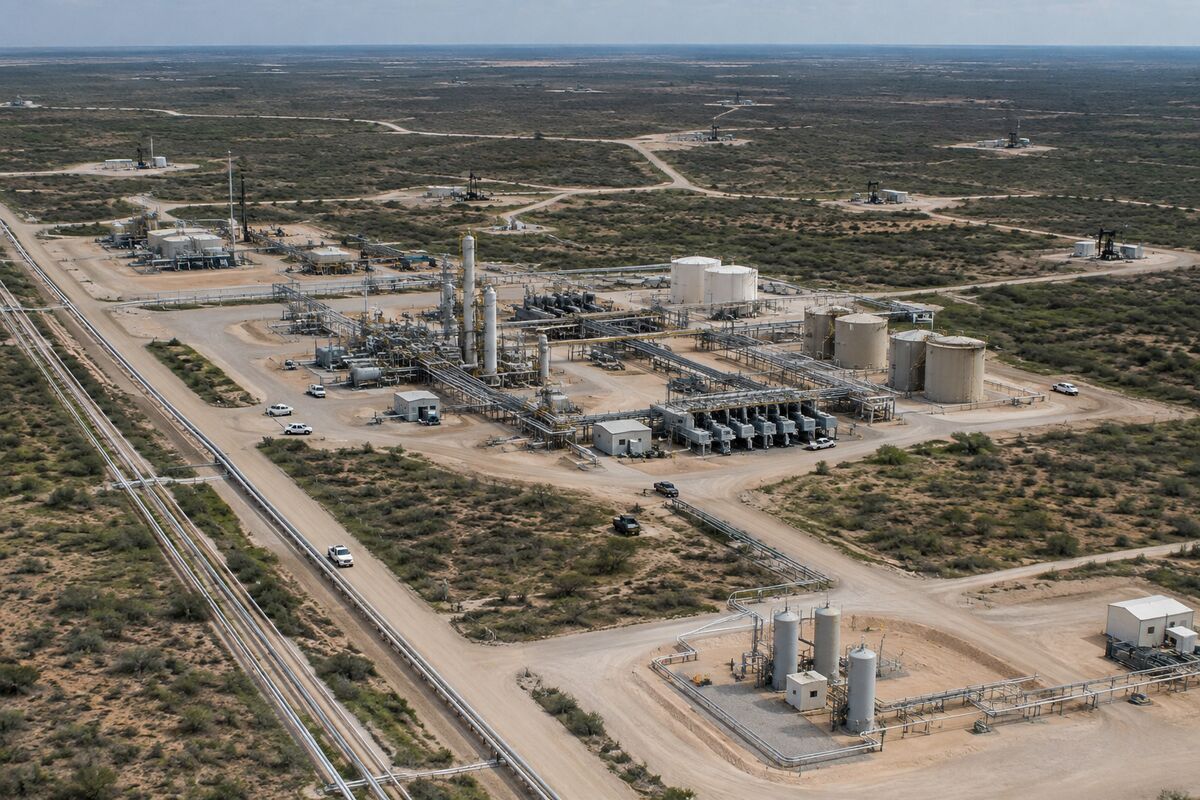
Energy Transfer’s agreement to acquire Vaquero Midstream for $2.62 billion in cash and stock puts another large transaction behind the broader consolidation of US midstream infrastructure. The deal gives the market a clear data point on how a major pipeline operator is deploying capital while crude prices face pressure from easing concerns over Middle East exports and G7 stockpile supply.
The transaction is not simply a headline acquisition. Its cash-and-stock structure makes consideration part of the investment story, while Vaquero’s gathering and processing exposure in the Permian basin region places the deal inside one of the most important operating areas for US midstream strategy. The reported deal terms provide the essential starting point: $2.62 billion, split between cash and equity consideration.
A $2.62 Billion Signal on Capital Deployment
For Energy Transfer, the proposed Vaquero purchase indicates a willingness to use both cash and stock to expand its midstream footprint. That structure matters because it places two forms of consideration in the same transaction: cash represents an immediate capital commitment, while stock introduces an equity component to the purchase price.
The assignment does not provide additional financing details, closing conditions, projected synergies or asset-level valuation metrics. Those omissions are important. Without them, the most defensible conclusion is narrower: Energy Transfer is pursuing growth through a sizable acquisition, and the cash-and-stock format may help define how the market evaluates that capital allocation.
Why Permian Gathering and Processing Matter
Gathering and processing assets occupy a foundational position in the midstream chain. They connect production areas with broader pipeline and infrastructure networks, making exposure to these assets strategically relevant for operators seeking a larger presence in the Permian basin region.
Vaquero’s gathering and processing assets therefore fit the broader consolidation theme among US pipeline and midstream companies. Rather than treating the transaction as an isolated corporate action, traders may view it as another example of operators building scale around infrastructure tied to one of the country’s key production regions. The available facts do not establish projected operating benefits, so any expected synergies remain unconfirmed.
Oil Prices Add a Market-Test Dimension
The deal was reported as oil slipped amid easing concerns about Middle East export disruptions and the availability of G7 stockpile supply. That backdrop complicates the market’s reading of an acquisition focused on energy infrastructure.
Midstream businesses are not identical to crude producers, but volatile oil pricing can still shape how investors assess production activity, infrastructure demand and the timing of acquisition-driven growth. A $2.62 billion commitment may attract attention precisely because it arrives during a softer oil-market moment, when the market is weighing expansion against commodity uncertainty.
What Traders Are Watching
- Transaction consideration: The cash-and-stock structure makes the form of payment a central part of the analysis.
- Consolidation: The Vaquero agreement adds to ongoing combinations among major US midstream and pipeline operators.
- Permian exposure: Gathering and processing assets support the strategic importance of the Permian basin region.
- Commodity backdrop: Softer oil prices create a more demanding context for evaluating acquisition-led growth.
The key tension is straightforward: Energy Transfer is expanding through a $2.62 billion acquisition, while the surrounding oil market is showing weaker pricing amid reduced supply-disruption concerns. That combination may keep the focus on capital discipline, the balance between cash and stock consideration, and whether consolidation can strengthen a midstream strategy without relying on unconfirmed assumptions about synergies or future performance.
Bull/Bear Verdict
Bull Case: The $2.62 billion cash-and-stock acquisition may strengthen Energy Transfer’s gathering and processing exposure in the Permian basin region while extending the broader US midstream consolidation trend.
Bear Case: Softer oil prices and the absence of confirmed financing details, closing conditions or projected synergies could make the transaction’s capital-allocation case harder to assess.