
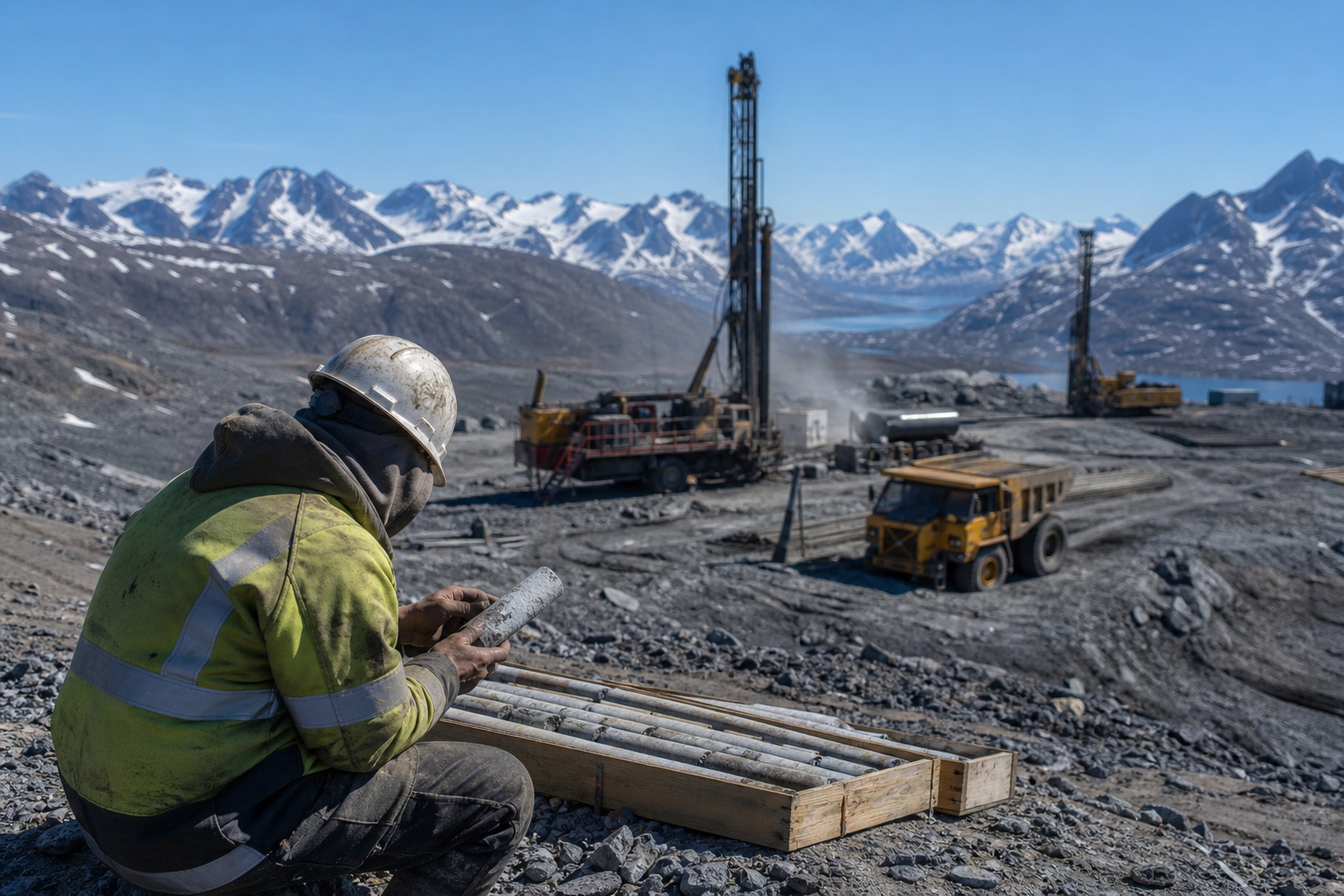
In a bold maneuver that could reshape the landscape of the rare earths market, Greenland Mines has completed the acquisition of the Sarfartoq rare earth asset. This strategic move places the company in a prime position to supply a staggering 34% of global neodymium-praseodymium (NdPr) demand outside of China. As geopolitical tensions flare and clean energy initiatives accelerate, the implications of this acquisition stretch far beyond corporate growth—they could redefine supply chains critical to national security and sustainability.
Historically, the rare earths market has been dominated by China, which has controlled a significant portion of global supply. Greenland Mines’ acquisition signals a pivotal shift that could mitigate reliance on Chinese sources. It also aligns with a broader trend observed in the market, where analysts at Jefferies have pointed to emerging bottlenecks in critical minerals as demand surges with the electrification of economies. Such dynamics present both opportunities and challenges for investors seeking to navigate this evolving sector.
Strategic Implications
The Sarfartoq asset is not just a new line on Greenland Mines' balance sheet; it represents a crucial foothold in the burgeoning market for rare earth elements, which are essential for advanced technologies, including electric vehicles and defense systems. With the U.S. and Canadian governments ramping up investments in clean energy and defense capabilities, the timing of this acquisition could not be better.
The implications for the U.S. and Canadian defense sectors are particularly noteworthy. As both nations seek to bolster their self-sufficiency in critical materials, Greenland Mines could emerge as a key player in the supply chain. Analysts suggest that companies with established rare earth assets like Sarfartoq will be in a prime position to benefit from government contracts and partnerships aimed at securing these vital resources.
Market Reactions and Future Outlook
Market reactions to the acquisition have been cautiously optimistic. While specific stock movements are yet to be analyzed comprehensively, the broader context of critical minerals stocks suggests a potential uptick. Investors are increasingly aware of the strategic importance of rare earths, particularly as the electrification of industries continues to build momentum.
However, one must remain vigilant. Jefferies' insights into bottlenecks indicate that while demand may soar, supply chain disruptions could pose risks for companies reliant on these materials. The volatility in the market can create both opportunities and pitfalls, underscoring the need for astute investment strategies.
In conclusion, Greenland Mines' acquisition of the Sarfartoq rare earth asset could mark a turning point in the North American rare earth landscape. By positioning itself to capture a significant share of global NdPr demand, the company not only enhances its portfolio but also plays a pivotal role in securing resources critical to national interests. Investors should watch this space closely, as the evolving dynamics of the rare earth market could yield significant implications for both stock performance and broader economic trends.
Source