
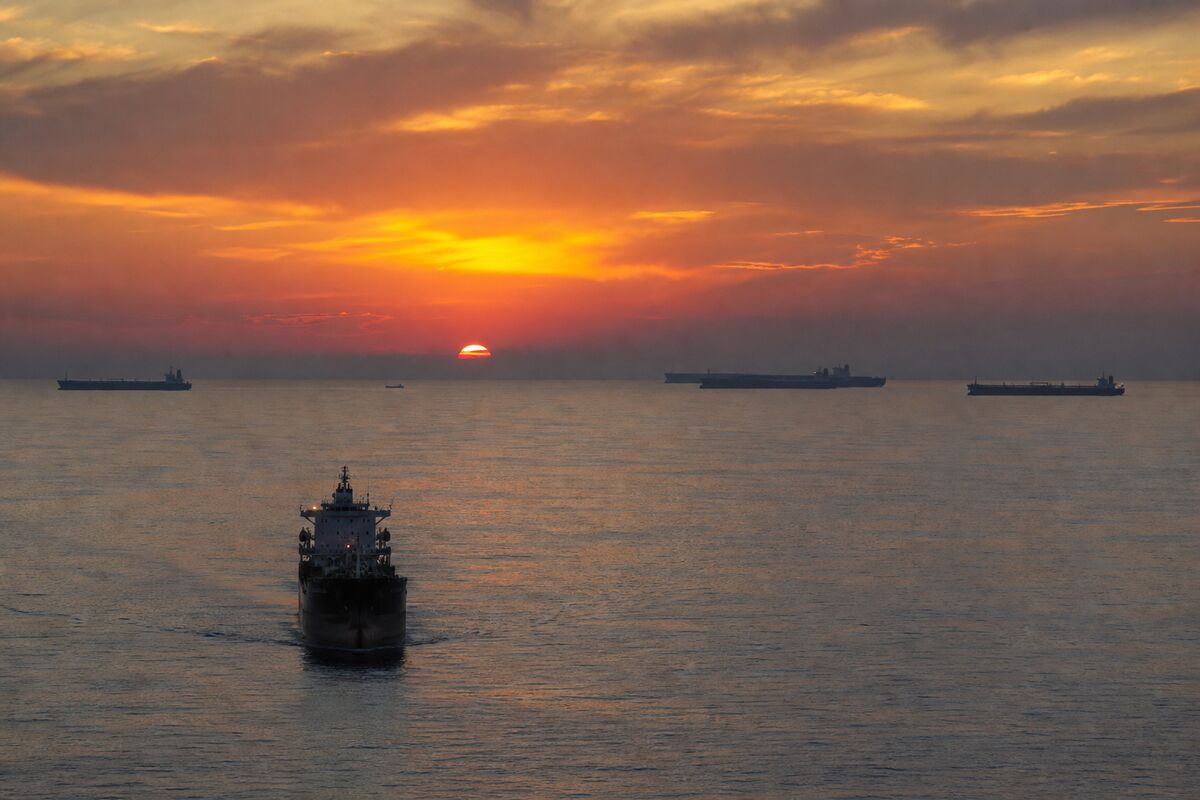
International Seaways is placing a $370 million wager on the machinery behind the oil market: the ships that move crude from producer to buyer. The NYSE-listed tanker operator has agreed to acquire Bruton Limited, adding four Very Large Crude Carriers, or VLCCs, to its fleet.
That is more than a fleet-counting exercise. It is a strategic bet that tanker capacity, crude-transport demand and geopolitical disruption could make shipping economics increasingly important to energy investors. The deal gives $INSW more exposure to a market where the cargo may attract the headlines, but the vessel often determines how smoothly the trade can actually happen.
A four-ship expansion with a clear strategic signal
International Seaways agreed to acquire Bruton Limited for $370 million, according to the company announcement carried by BusinessWire. The transaction will add four VLCCs to International Seaways’ fleet, expanding its presence in one of the most consequential segments of crude shipping.
For traders and investors, the important question is not simply how many ships are changing hands. It is what the acquisition could mean for available capacity. When fleet ownership becomes more concentrated, operators may gain greater control over deployment and commercial decisions. If demand for crude transportation remains firm while the supply of suitable vessels is constrained, freight rates could come under upward pressure.
That outcome is not automatic, and the available source material does not provide specific freight-rate figures. Still, the structure of the deal points to management positioning for a market in which vessel availability may matter as much as oil volumes themselves. Four additional VLCCs could give $INSW more scale and potentially greater operating leverage if tanker-market conditions strengthen.
Oil-market risk travels by sea
The acquisition arrives amid broader coverage of Middle East supply risk and a weekly gain in crude-oil prices. Those developments matter to crude shippers because geopolitical tension can alter routes, timing, insurance considerations and the urgency of securing transportation. A disruption does not need to remove every barrel from the market to complicate the shipping system; uncertainty alone may change how cargoes are scheduled and vessels are positioned.
That backdrop creates a two-sided market signal. Higher crude prices may reflect concern about supply, while tanker operators may focus on the logistical consequences of moving available barrels through a more unsettled trading environment. The source material, however, does not provide a specific crude price, freight rate or $INSW share-price move. Any conclusion about valuation or near-term stock performance would therefore go beyond the available data.
Sanctions and the shadow fleet
Shadow-fleet sanctions add another layer to the shipping equation. As authorities target vessels and networks associated with sanctioned crude movements, the pool of ships available for compliant trade may be reshaped. That could affect competition for legitimate tonnage, alter trading patterns and change the economics of crude transportation.
For established operators, the potential benefit is not merely having more steel in the water. A compliant fleet with additional VLCC capacity may be positioned to serve customers seeking dependable transportation amid shifting sanctions and geopolitical rules. Yet the same forces can also increase uncertainty. Regulatory changes, disrupted routes and changing cargo flows may make fleet deployment more complex rather than simply more lucrative.
What investors can—and cannot—read into the deal
The Bruton transaction suggests that International Seaways sees strategic value in expanding its VLCC platform now. The four-ship addition could strengthen the company’s exposure to tanker supply dynamics and crude-transport demand, particularly if Middle East risks continue to influence shipping patterns.
But the acquisition is not a forecast of a guaranteed freight-rate boom. The source material supplies the purchase price, the number of vessels and the broader market context; it does not supply vessel-by-vessel economics, debt terms, projected earnings, specific freight rates or a share-price reaction. Those missing details matter when assessing how the transaction could affect $INSW.
The cleanest takeaway is therefore strategic rather than numerical: International Seaways is expanding its fleet while the oil-shipping map is being redrawn by supply risk, sanctions and geopolitical uncertainty. In that environment, four VLCCs may become a meaningful platform for capturing stronger transportation economics—or a larger exposure to a market whose conditions can change with the next headline.
Bull/Bear Verdict
Bull Case: The $370 million acquisition adds four VLCCs to $INSW’s fleet, which could increase its exposure to tighter tanker capacity, crude-transport demand and potentially elevated freight rates amid Middle East supply risk and shadow-fleet sanctions.
Bear Case: The four-vessel expansion also increases exposure to shipping-market uncertainty, while the available data provides no specific freight rates, crude prices, share-price response or transaction economics to confirm that stronger returns may follow.