
The United States has a lithium problem—and Arkansas may hold part of the solution. Deep beneath the state's soil lies the Smackover Formation, a geological formation that industry observers are calling a "geologic freak" for its distinctive brine deposits. What makes this particular resource so compelling isn't just its scale or accessibility; it's the convergence of three powerful forces: the strategic imperative to reduce Chinese lithium dependence, the energy demands of electrification, and the willingness of major oil companies to pivot toward critical minerals. For investors tracking the long-term reshaping of US supply chains, the Smackover lithium rush deserves close attention—even if the path to profitability remains uncertain.
The timing couldn't be sharper. Electric vehicles, data-center energy storage systems, and robotics are all consuming lithium at accelerating rates, and today's supply chains remain dangerously concentrated. The US lithium push is intended to reduce dependence on Chinese lithium supply chains, a vulnerability that policymakers and investors alike view as a strategic liability. The Smackover Formation represents one avenue toward that diversification—and the involvement of major oil companies signals serious capital and operational expertise entering the space.
Why Smackover Matters: Brine Extraction and Geologic Advantage
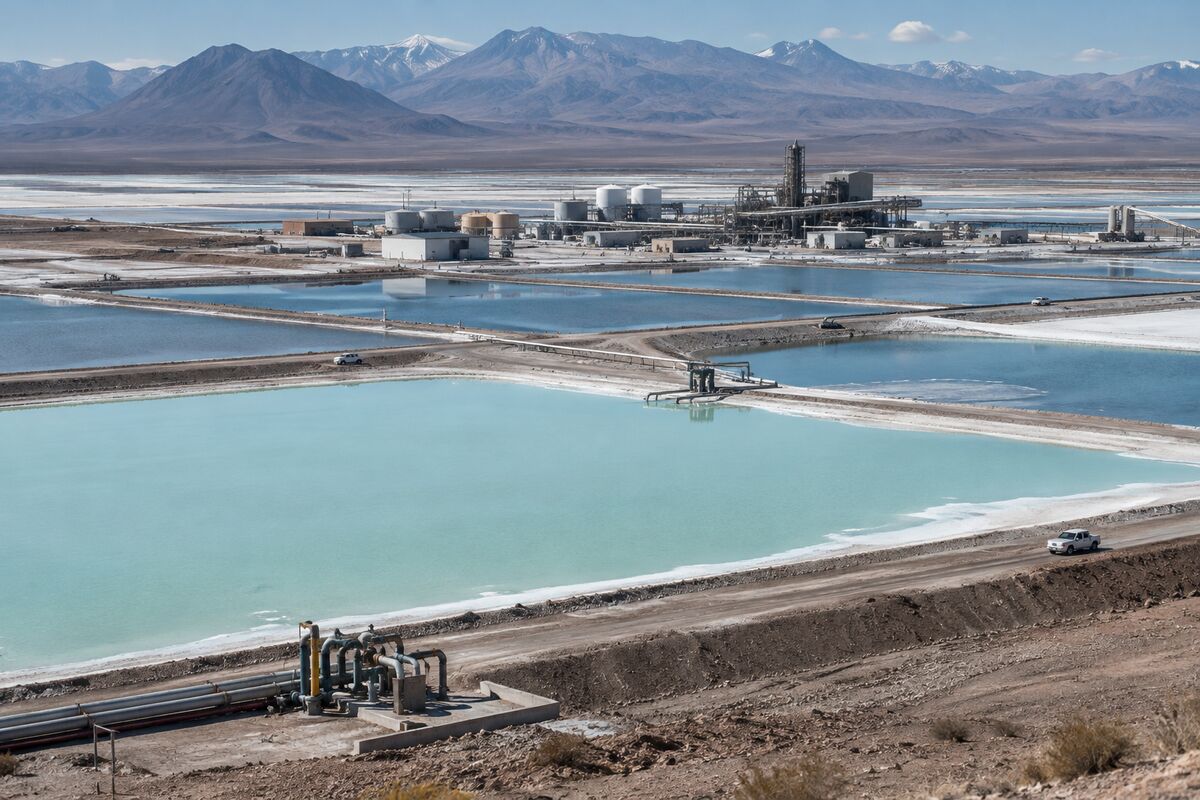
The Smackover Formation is not a traditional hard-rock lithium deposit. Instead, it's a brine resource—lithium-rich saltwater trapped in subsurface layers. This distinction matters enormously for extraction economics. Brine lithium can be extracted using direct lithium extraction (DLE) technologies, which may offer lower water consumption and faster processing cycles compared to evaporation ponds used in traditional brine operations. The formation's characteristics have attracted attention from both established players and emerging producers looking to capitalize on the US government's push for domestic critical-minerals production.
Major oil companies are not entering the lithium space out of nostalgia for their legacy business. They bring decades of subsurface expertise, existing infrastructure in resource-rich regions, and the capital to fund large-scale operations. Their participation in the Smackover opportunity underscores the scale of the bet being placed on US lithium production—and signals confidence that the long-term demand trajectory justifies the investment.
Three Stocks in the Spotlight
Three stocks have been identified as riding the Smackover lithium rush, though the specifics of their operational involvement and exposure levels vary. $SQM, the Chilean lithium producer, remains a relevant player in the global lithium market, though direct attribution of Smackover operations to the company should be approached with caution based on available sourced information. The emergence of newer Smackover-focused producers represents a different risk-return profile—companies with limited operating history but potentially significant upside if their extraction technologies and projects reach commercial scale.
For investors, the distinction is crucial. Established lithium producers like $SQM bring proven production capability and cash flow, but limited direct exposure to Smackover's upside. Emerging Smackover producers offer concentrated exposure to the formation's potential but carry higher execution risk and longer timelines to profitability.
Demand Drivers: EVs, Data Centers, and Robotics
The bull case for US lithium production rests on three pillars of demand. Electric vehicles remain the headline story—global EV adoption continues to accelerate, and each vehicle requires multiple kilowatt-hours of battery capacity. But EVs are only part of the picture. Data-center energy storage systems are becoming critical infrastructure as AI and cloud computing workloads surge, and these systems require massive amounts of battery capacity to smooth power delivery and provide backup during grid stress. Robotics, too, is emerging as a significant lithium consumer, with industrial and autonomous systems requiring lightweight, high-density power sources.
These demand streams suggest a structural, multi-decade tailwind for lithium supply. The question is not whether demand will materialize—it's whether US domestic production can scale fast enough to capture market share and reduce import dependence.
Execution Risk and the Speculative Reality
Here's where the narrative shifts from opportunity to caution. Emerging Smackover producers are, by definition, unproven at commercial scale. DLE technologies, while promising, have not yet demonstrated the cost competitiveness and reliability needed to support large-scale, profitable operations across multiple sites. Regulatory approval timelines remain uncertain. Competition from established lithium producers and from new entrants using alternative extraction methods could compress margins before emerging players reach profitability.
The long-term supply-chain opportunity is real and strategically important. The near-term execution risks are equally real. Investors betting on the Smackover rush should view their exposure as a leveraged play on US critical-minerals policy, technological progress in DLE, and sustained EV and energy-storage demand—not as a near-term path to cash returns.
Bull/Bear Verdict
Bull Case: The Smackover Formation's brine deposits could meaningfully reduce US dependence on Chinese lithium supply, addressing a critical strategic vulnerability. Surging demand from electric vehicles, data-center energy storage, and robotics may sustain price support and justify large-scale capital investment. Major oil-company participation signals confidence in long-term economics and brings operational expertise to an emerging sector.
Bear Case: Emerging Smackover producers remain unproven at commercial scale, with direct lithium extraction technologies not yet validated as cost-competitive or reliable across multiple sites. Regulatory timelines are uncertain, and competition from established lithium producers and alternative extraction methods could compress margins before new entrants achieve profitability. The path from geological potential to shareholder returns remains long and execution-dependent.