
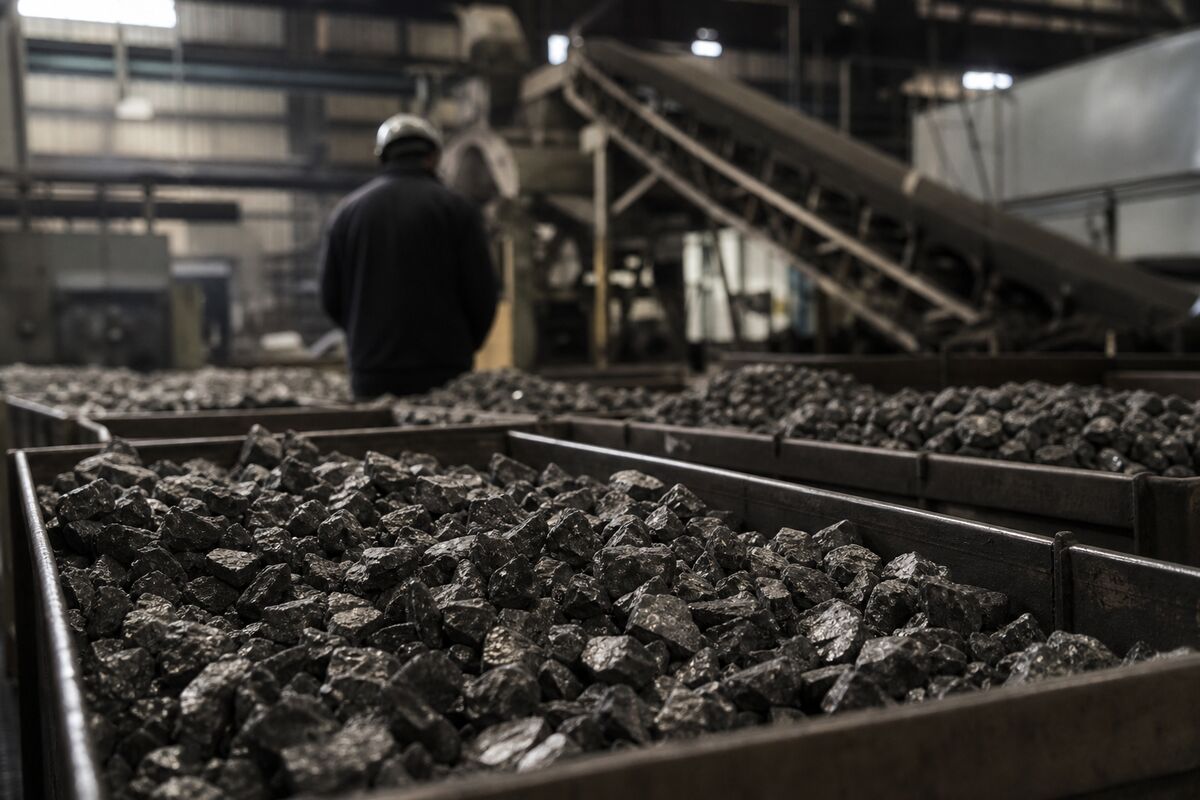
The ongoing geopolitical conflicts have underscored a troubling reality for Western defense industries: a significant dependence on China's supply of critical minerals, particularly tungsten. Tungsten is essential for a variety of defense applications, including armor-piercing ammunition and other military equipment. With recent supply challenges emerging from China, it's crucial to analyze the implications for U.S. and Canadian defense procurement strategies and to explore potential investment opportunities within North American tungsten mining operations.
The Impact of China's Tungsten Supply Shock
China's dominance in the tungsten market poses a substantial risk to Western defense capabilities. The country accounts for approximately 85% of global tungsten production, making it a linchpin in the supply chain for critical minerals. Any disruption in this supply can lead to a cascading effect on defense manufacturing in the United States and Canada.
- Defense Manufacturing Risks: The reliance on Chinese tungsten means that any supply shock can delay production timelines for military equipment, impacting readiness and operational capabilities.
- Increased Costs: Should supply constraints continue, the costs associated with sourcing tungsten from alternative suppliers or investing in domestic production may rise significantly.
- Geopolitical Tensions: Ongoing geopolitical tensions with China could exacerbate the situation, leading to further uncertainty in the supply chain.
Implications for U.S. and Canadian Defense Procurement Strategies
In light of these challenges, U.S. and Canadian defense procurement strategies will likely need to undergo a significant reevaluation. Here are some potential adjustments:
- Diversification of Supply Sources: Defense departments may look to diversify their sources of tungsten, seeking alternative suppliers or increasing stockpiles to mitigate risks.
- Investment in Domestic Mining: There may be an increased push for investment in North American tungsten mining operations to reduce dependency on foreign sources. This strategic shift could lead to job creation and enhanced security for defense supply chains.
- Policy Changes: Governments may implement policies designed to incentivize domestic production of critical minerals, including tungsten, to bolster national security.
Investment Opportunities in North American Tungsten Mining
As the supply crisis unfolds, there are potential investment opportunities emerging in the North American tungsten mining sector. Companies actively engaged in tungsten mining may attract interest from investors looking to capitalize on the heightened demand for this critical mineral.
- Exploration Initiatives: Increased funding for exploration projects could lead to new tungsten deposits being identified, which would be crucial for building a robust domestic supply chain.
- Partnerships and Collaborations: Collaborations between mining companies and defense contractors could facilitate the development of new technologies and processes for tungsten extraction and utilization.
- Government Grants and Support: Potential government support in the form of grants or tax incentives for mining operations could further enhance the viability of investments in this sector.
In conclusion, the tungsten supply crisis stemming from China's dominance poses significant challenges for North American defense industries. However, it also presents opportunities for strategic shifts in procurement and investment in domestic mining operations. As the situation evolves, stakeholders in the defense and mining sectors will need to adapt to capitalize on these emerging trends.
For further details on the implications of this crisis, refer to the full analysis on CNBC.
Bull/Bear Verdict
Bull Case: The potential for increased investment in North American tungsten mining operations could lead to a more resilient supply chain and job creation.
Bear Case: Continued reliance on Chinese tungsten exposes defense industries to significant risks, potentially delaying production and increasing costs.