
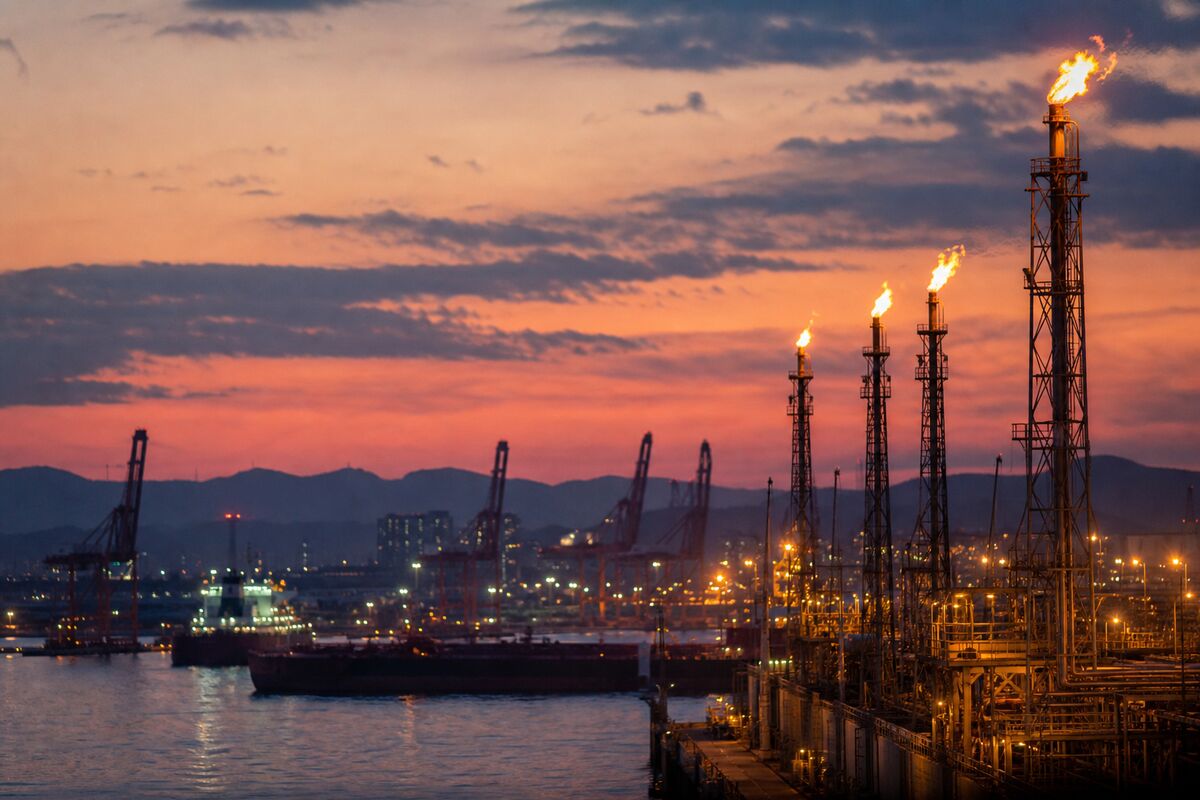
For U.S. energy shippers, a 90-day waiver is a temporary opening in a logistics system that has been tightening at precisely the wrong time. The U.S. government extended the shipping-law waiver to permit freer movement of oil and commodities, potentially giving domestic exporters more room to move cargoes while global tanker traffic faces a more difficult map.
That relief arrives alongside heightened Middle East tensions and mounting risks around the Strait of Hormuz. In other words, Washington has loosened one constraint on U.S. flows while events abroad are adding another layer of friction. The policy may help, but it does not make the shipping environment simple—or cheap.
At its core, the waiver is a logistics measure. By allowing freer movement of oil and commodities, it could reduce bottlenecks affecting U.S. oil exporters and other domestic commodity shippers. Restrictions tied to shipping law can limit how cargoes move and which vessels can participate. Temporarily relaxing those constraints may broaden the available routes or shipping options for eligible movements.
That matters because energy markets are not only about production and demand. They are also about getting barrels from where they are available to where they are needed. A cargo delayed by a vessel constraint is still a cargo delayed, regardless of how much oil exists in the ground or how strong end-market demand may be.
A release valve for domestic logistics
The waiver could therefore act as a release valve for U.S. exporters. More flexible shipping arrangements may help clear logistical snags, support smoother commodity flows and reduce pressure on shippers navigating domestic requirements. The benefit is especially relevant for businesses exposed to the economics of Jones Act shipping and for U.S. oil exporters trying to coordinate vessels, cargoes and delivery schedules.
Still, the waiver is temporary. Its 90-day duration gives shippers a defined period of flexibility rather than a permanent change in the rules. That distinction may shape commercial decisions: a temporary window can ease immediate congestion, but it may not remove the need to plan around what happens when the waiver expires.
Hormuz keeps the pressure on
The other side of the equation is the Strait of Hormuz. Heightened Middle East tensions are disrupting—or creating risks for—tanker traffic through the strategic waterway. Those risks are raising freight and insurance premiums associated with Hormuz-related incidents, adding cost and uncertainty to the broader shipping market.
For U.S. energy participants, the connection is indirect but important. A waiver can make domestic shipping flows more flexible, yet global tanker markets still respond to geopolitical danger. If vessels, insurers and cargo owners price in greater exposure around Hormuz, the resulting risk premiums could offset part of the operational relief created by the waiver.
This is the central tension in the policy move. The U.S. government has loosened a domestic shipping constraint while geopolitical events are increasing the cost of moving energy through a key international corridor. The two forces may pull in opposite directions: one improves flexibility, while the other raises the price of uncertainty.
The details will matter for U.S. oil exporters and domestic commodity shippers. How broadly the waiver is used, how quickly bottlenecks ease and how long elevated tanker and insurance risks persist will determine whether the measure becomes a meaningful logistics improvement or merely a short-lived cushion.
For now, the waiver offers breathing room rather than a clean escape route. The reported 90-day extension may ease U.S. shipping bottlenecks, but Hormuz-related freight and insurance risks remain a reminder that energy logistics rarely stay domestic for long.
Bull/Bear Verdict
Bull Case: The 90-day waiver could reduce shipping constraints, ease logistics bottlenecks and support freer movement for U.S. oil exporters and domestic commodity shippers.
Bear Case: Elevated Middle East tensions and Strait of Hormuz risks could keep tanker and insurance premiums high, limiting the waiver’s ability to reduce total shipping costs.