
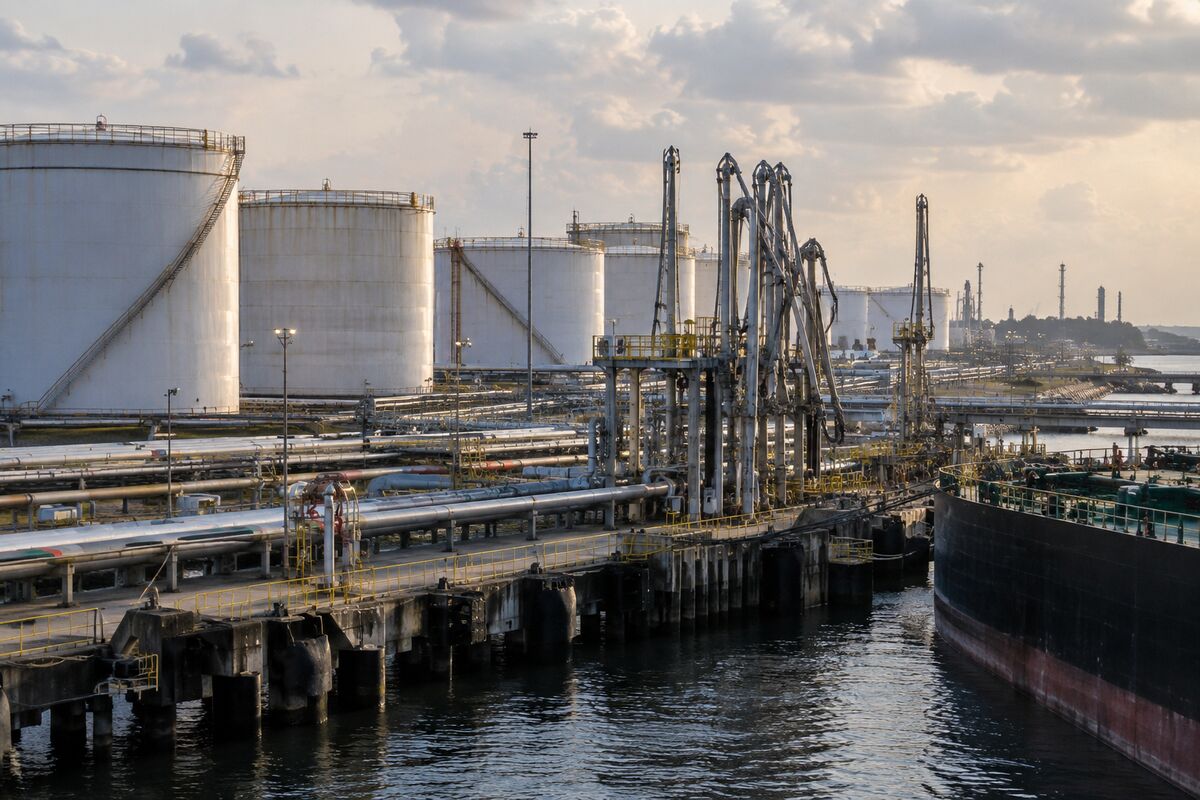
FTAI Infrastructure is adding another piece to the US energy export puzzle. Its subsidiary, FTAI Energy Partners LLC, also known as Jefferson, has entered a definitive agreement to acquire the Port Arthur Terminal in Port Arthur, Texas, from USD Group.
Announced September 28, 2026, the transaction gives $FIP a larger crude oil logistics footprint in one of the Gulf Coast’s strategically important export locations. For an infrastructure company, the appeal is less about the headline barrel price than the critical pathways that move crude from producing regions toward domestic and global markets.
Jefferson is a subsidiary of FTAI Infrastructure Inc. (NASDAQ: FIP), and the agreement expands the company’s crude oil logistics asset base. The supplied announcement does not disclose a purchase price, financing structure, expected closing date, terminal capacity, throughput figures or projected earnings impact. Those missing details matter: they will ultimately determine how significant the transaction could be for FIP’s financial profile.
Why Port Arthur matters
Port Arthur sits within the US Gulf Coast energy network, a region with an important role in crude exports. That location may give logistics infrastructure strategic value beyond the physical assets themselves. Terminals can serve as connective tissue between supply, storage and transportation networks, potentially helping producers and shippers move crude toward export channels.
The timing also places the deal against a complicated oil-market backdrop. Volatile oil prices and geopolitical risk premiums may increase the value of dependable US export infrastructure. When global supply routes become more uncertain, assets located in established American logistics corridors could become more strategically relevant to market participants seeking flexibility.
That does not mean the Port Arthur acquisition automatically produces stronger results for $FIP. But it may broaden Jefferson’s ability to participate in crude movements through the Gulf Coast. If the acquired terminal attracts higher throughput volumes, FTAI Infrastructure could potentially capture additional logistics activity. Greater utilization may also create an opportunity for stronger margins, although neither outcome has been confirmed by the supplied facts.
The infrastructure investor’s lens
For investors, the central question is whether this is simply an asset addition or part of a broader effort to assemble a more valuable midstream platform. Expanding the crude logistics base can potentially improve network relevance, particularly when customers place a premium on access to export infrastructure.
Still, the agreement remains an agreement, not a completed transaction. Without disclosed capacity, pricing or earnings guidance, the market cannot yet measure the deal’s precise contribution. Investors will likely look for additional information on closing, funding, operational scale and how the Port Arthur Terminal fits within Jefferson’s existing assets.
The strategic logic is visible: a subsidiary of $FIP is pursuing crude logistics exposure in a key Gulf Coast export hub at a time when energy routes carry heightened geopolitical importance. The financial conclusion is less settled. For now, the Port Arthur deal offers a potential platform-expansion story, with the eventual impact depending on execution and asset utilization.
Read the GlobeNewswire announcement for the transaction details provided by the company.
Bull/Bear Verdict
Bull Case: The Port Arthur Terminal may strengthen $FIP’s position in a key Gulf Coast export hub and could create potential for higher throughput volumes and margins as geopolitical risk premiums increase the strategic value of US crude logistics.
Bear Case: The deal’s financial impact remains uncertain because no purchase price, terminal capacity, throughput figures, financing structure, closing date or projected earnings impact has been disclosed.