
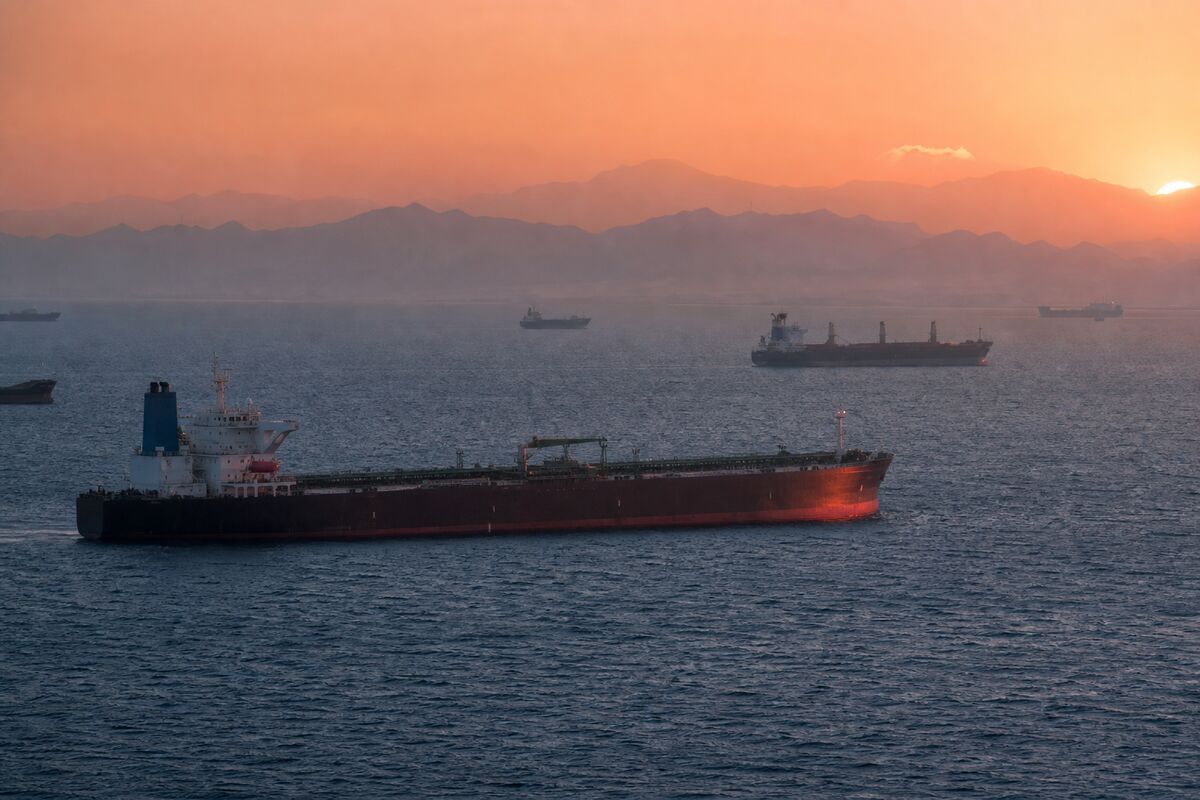
Oil’s rally has moved from commodity-market noise to a direct test of supply security. Brent crude rose above $110 a barrel for the first time since May as reported attacks involving tankers in and around the Strait of Hormuz raised fears that Middle East supply flows could be disrupted.
For North American producers, the immediate arithmetic is constructive: higher benchmark prices may support revenue and sentiment. But traders should not confuse a geopolitical price shock with a clean fundamental upcycle. The same disruption that lifts crude can also intensify inflation, volatility and, if it persists, demand destruction.
On Oct. 16, West Texas Intermediate closed at $101.41 a barrel, up $3.44 on the day. Brent closed at $109.86 after moving above $110 intraday. That spread between the headline intraday level and the closing price matters: it shows the market is repricing risk aggressively, while also reminding traders that crisis premiums can move quickly as headlines change.
The catalyst was the security of a critical shipping chokepoint. Reports said Iran’s Guards claimed two tankers were hit by mines in the Strait of Hormuz. Separately, a tanker was reported struck by an unknown projectile off Saudi Arabia. These reports do not establish the eventual scale of any supply interruption, but they explain why crude traders are placing a larger premium on barrels that can reach market.
Supply data added fuel to the move. US commercial crude inventories fell by 8.6 million barrels last week, creating a more bullish backdrop as geopolitical risk escalated. A shrinking inventory cushion can make the market more sensitive to additional disruptions, particularly when traders are already focused on shipping routes rather than production capacity alone.
Washington’s response is another signal worth reading. The US solicited an exchange of up to 17 million barrels from the Strategic Petroleum Reserve. An exchange is not the same as a permanent release into the market, but the solicitation indicates that policymakers are monitoring the shock closely and are prepared to use emergency oil mechanisms. For traders, that creates a counterweight to the supply-risk narrative: the market may face disruption concerns on one side and potential policy intervention on the other.
Why Ovintiv is on the radar
Ovintiv ($OVV) is a natural focus for North American energy traders because it operates across the Permian, Anadarko and Montney plays. The company generates approximately US$6.0 billion from US operations and US$3.6 billion from Canadian operations, giving the crude-price conversation a concrete operating link across both markets.
The immediate potential benefit is straightforward. If oil and gas prices remain higher, producers may see stronger realized pricing and an improved earnings backdrop, depending on their production mix and existing commercial arrangements. That may also improve market sentiment toward exploration and production companies such as Ovintiv. Still, the available data does not support a specific earnings forecast for $OVV, and the company’s exposure to higher prices should not be treated as a guaranteed one-for-one equity outcome.
The distinction is critical. A producer may benefit from the first-round effect of higher commodity prices, while the broader economy absorbs the second-round effects of more expensive fuel. Persistent energy inflation can pressure consumers and businesses, complicate monetary policy and eventually weaken demand. Volatility can also make capital allocation and operating decisions more difficult, even when the headline commodity price is favorable.
The trader’s read
The Oct. 16 setup is bullish for crude risk pricing: Brent moved above $110, WTI closed at $101.41, US inventories declined by 8.6 million barrels and the SPR solicitation signaled official concern. But the next phase depends on whether shipping disruptions remain isolated reports or develop into sustained constraints on supply flows.
For $OVV, that leaves a potentially supportive commodity-price and sentiment tailwind, not a settled forecast. The key question is whether higher prices persist long enough to matter operationally, without the geopolitical shock triggering the inflation and demand consequences that eventually undermine the rally. As history has shown, oil markets can reward producers quickly—and punish certainty just as quickly.
For the underlying market details, see the Bloomberg report on oil topping $110 amid rising supply risks.
Bull/Bear Verdict
Bull Case: Brent’s move above $110, WTI’s $101.41 close and the 8.6-million-barrel US inventory decline may provide a supportive earnings and sentiment backdrop for Ovintiv’s Permian, Anadarko and Montney operations.
Bear Case: The same supply shock could intensify inflation and volatility, while a prolonged disruption may contribute to demand destruction; the proposed exchange of up to 17 million SPR barrels could also temper the crude rally.