
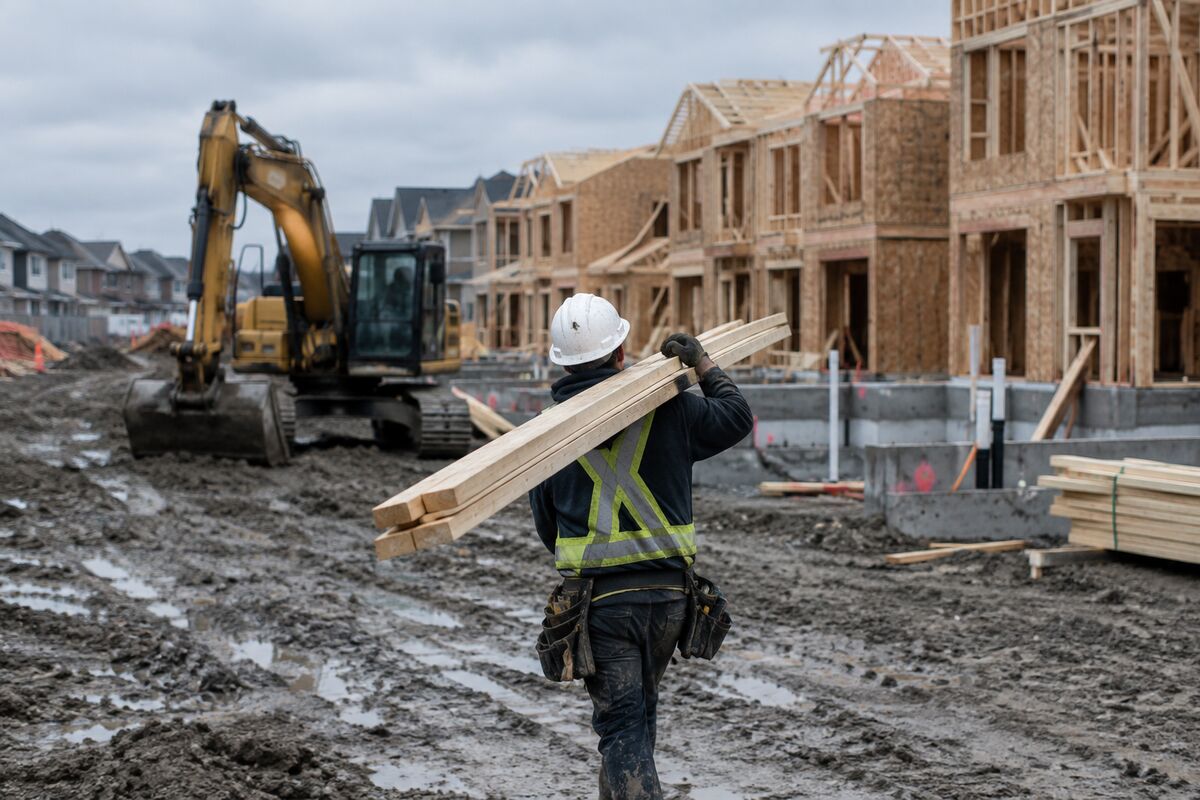
The US housing market is losing altitude, and the latest warning light is flashing from the builders themselves. Homebuilder sentiment fell to a more than 14-and-a-half-year low in November as high mortgage rates collided with stubbornly elevated energy, labor and materials costs.
That combination is turning the housing market into a difficult balancing act: buyers face affordability pressure, while builders face a tougher question about how much pricing power remains. More builders are cutting prices, a sign that weak demand is no longer merely a concern on the sidelines but a force shaping decisions on the ground.
The deterioration matters beyond new homes. Housing is one of the economy’s most rate-sensitive corners, linking mortgage costs to construction activity, building-material demand, household budgets and the wider consumer mood. The latest reading therefore offers a broad market signal, even without a specific stock-price move attached to it.
Mortgage rates squeeze the demand side
High mortgage rates weigh on prospective buyers by making monthly housing payments more difficult to manage. That pressure can delay purchases, narrow the pool of qualified buyers or push households toward less expensive options. For builders, each of those outcomes can translate into slower demand and less confidence about future sales.
The result is a particularly awkward environment for an industry that must commit to construction costs before a home is completed. When buyers become more cautious, builders may have less flexibility to pass rising expenses through to final prices. Sentiment can weaken quickly when the sales outlook softens but the cost base remains elevated.
Costs are squeezing the other side of the ledger
Mortgage rates are only part of the story. Higher energy, labor and materials costs are also pressuring builders. Those expenses can weigh on margins even when headline home prices remain firm, because building a property becomes more expensive before it reaches the buyer.
This is where the November sentiment decline becomes more than a demand story. It suggests a simultaneous squeeze on volume and economics: fewer households may be ready to buy, while the cost of serving those households remains high. That combination may encourage builders to become more selective about projects and more aggressive with incentives or price reductions.
Price cuts carry a mixed message
More builders cutting prices may offer some relief to buyers, but it also sends a cautionary signal to markets. On one hand, lower prices could improve affordability at the margin and help unlock demand. On the other, broader discounting may indicate that builders are competing harder for a smaller or more hesitant customer base.
For investors tracking housing-related equities, the key issue is the trade-off. Price reductions may support sales activity, yet they can also pressure margins if construction costs do not fall alongside selling prices. The development may therefore matter not only for homebuilders, but also for suppliers of building materials and other businesses exposed to residential construction.
As CNBC reported, the sentiment decline is tied to high mortgage rates and higher energy, labor and materials costs, with more builders responding by cutting prices. That combination gives the sector’s weakness a clear transmission mechanism: financing pressure hits demand, while input costs complicate the response.
A cautious read-through for consumers
Housing weakness could also color the broader consumer economy heading into the holiday season. Households dealing with housing affordability pressure may have less flexibility elsewhere, although the available information does not establish how large that effect will be. The connection is best viewed as a potential read-through rather than a definitive forecast for holiday spending.
For markets, the message is similarly measured. The November low may reinforce scrutiny of homebuilders, construction-material suppliers and other rate-sensitive stocks. It does not, by itself, determine the path of any individual company. But it does suggest that investors are confronting a sector where demand, costs and pricing power are moving in an uncomfortable direction at the same time.
Bull/Bear Verdict
Bull Case: Price cuts could improve affordability and help revive demand, while a more responsive housing market may eventually support builders and related suppliers if buyers return.
Bear Case: The more than 14-and-a-half-year sentiment low, combined with high mortgage rates and higher energy, labor and materials costs, could keep pressure on demand and builder margins.