
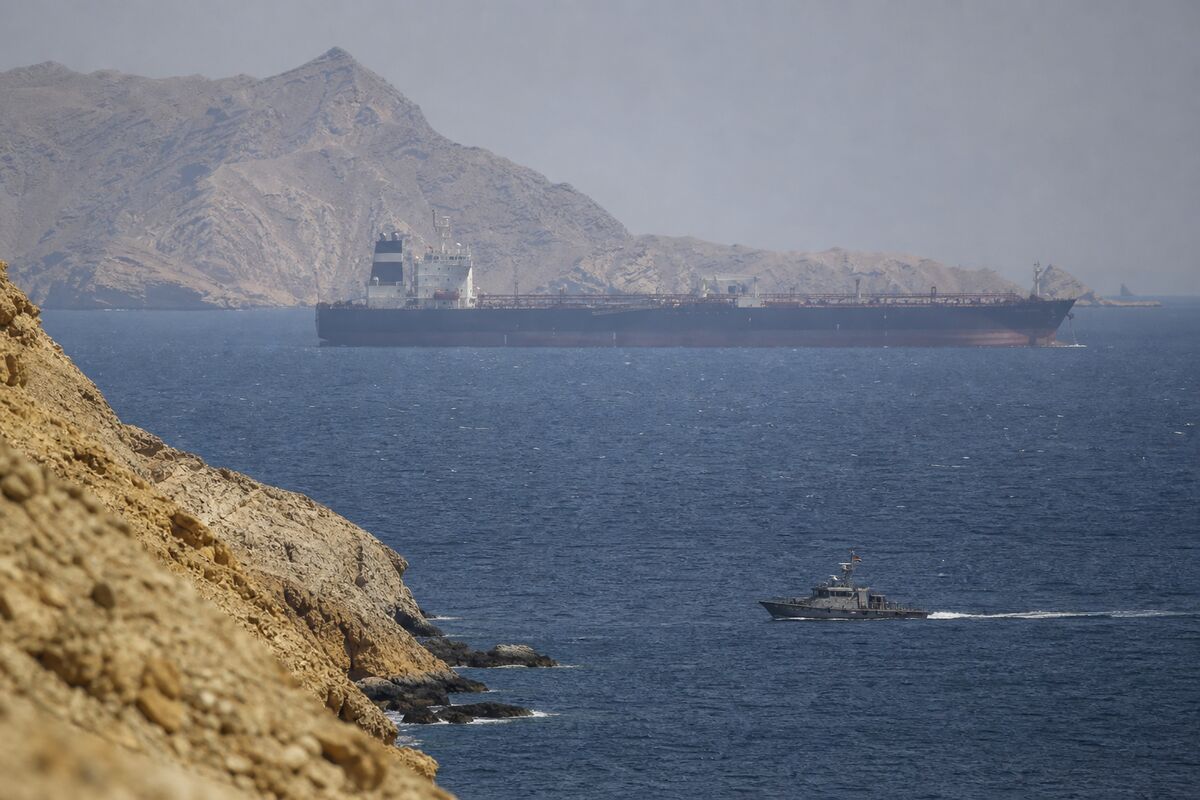
Oil markets are confronting a direct collision between security risk and supply pressure. A tanker crew was unaccounted for after a second attack north of Oman’s Khasab, while reports of an Iranian strike on a US military radar system in Bahrain added another layer of uncertainty for crude traders.
The immediate market question is not simply whether tensions are rising. It is whether those tensions disrupt physical flows enough to offset rising Middle East exports and surplus-supply expectations. That conflict helps explain why WTI Crude was described as slipping toward the $86-$88 range even as the Gulf security narrative intensified.
According to the reported maritime-security account, the UKMTO said a tanker crew was unaccounted for after a second attack north of Khasab. The incident matters for pricing because tanker security is closely connected to the reliability, timing and cost of seaborne crude movements. Even without a confirmed supply outage, a threat to vessels may introduce a geopolitical risk premium into WTI Crude and Brent Crude.
Security risk meets surplus expectations
The Bahrain episode broadened the risk calculation. Bahrain said it intercepted Iranian air attacks, while Iran’s Islamic Revolutionary Guard Corps claimed it targeted a US radar installation. Reports also said Iran attacked a US military radar system in Bahrain amid ongoing talks with mediators.
For energy traders, the combination creates a difficult signal. A wider confrontation could raise concerns about shipping routes and regional infrastructure, potentially supporting crude prices through a higher risk premium. But that bullish mechanism depends on actual disruption, not merely the presence of hostile activity.
On the other side of the ledger, rising Middle East exports and expectations of surplus supply remain a counterweight. Those forces can pressure crude even when headlines are severe. The result is a two-way setup: security developments may support WTI Crude and Brent Crude, while additional barrels and surplus expectations may limit the durability of any risk-driven response.
The trading tension: tanker attacks can lift the value assigned to security, but surplus-supply expectations can keep the physical market focused on available barrels.
What it means for US energy positioning
US oil and gas equities may respond differently depending on how markets interpret the balance between commodity pricing and operational exposure. A higher crude risk premium could improve the revenue backdrop for producers if it persists. At the same time, a security shock may increase uncertainty around transportation, regional exposure and broader energy-sector operating conditions.
That distinction makes sector positioning especially sensitive to confirmation. Traders may need to separate three data points: whether tanker incidents continue, whether crude flows are materially interrupted, and whether Middle East exports keep rising despite the attacks. Without evidence of a physical supply disruption, the market may continue to weigh geopolitical headlines against surplus expectations rather than treating the security premium as a standalone direction signal.
WTI Crude’s movement toward the $86-$88 range captures that unresolved balance. The range is a supplied market context, not a forecast. It indicates that security concerns have not eliminated the pressure created by expectations for excess supply.
For Brent Crude, the same framework applies: Gulf security developments may increase the premium attached to seaborne supply, while expanding exports may restrain the response. For US energy equities, the implications could therefore remain uneven, with commodity sensitivity competing against geopolitical and operational uncertainty.
The key takeaway is disciplined scenario analysis. A sustained escalation involving tankers, radar installations or regional air attacks could change the supply-risk calculation. A continuation of rising exports and surplus expectations could point in the opposite direction. Until one force clearly dominates, crude and US energy positioning remain exposed to a market pulling between fear of disruption and evidence of ample supply. Additional regional reporting further underscores the competing security and supply signals.
Bull/Bear Verdict
Bull Case: Continued tanker attacks or further escalation around Bahrain could increase the geopolitical risk premium for WTI Crude and Brent Crude, potentially supporting US energy equities if the premium persists.
Bear Case: Rising Middle East exports and surplus-supply expectations may continue weighing on crude, with WTI Crude already described as slipping toward the $86-$88 range despite the security escalation.