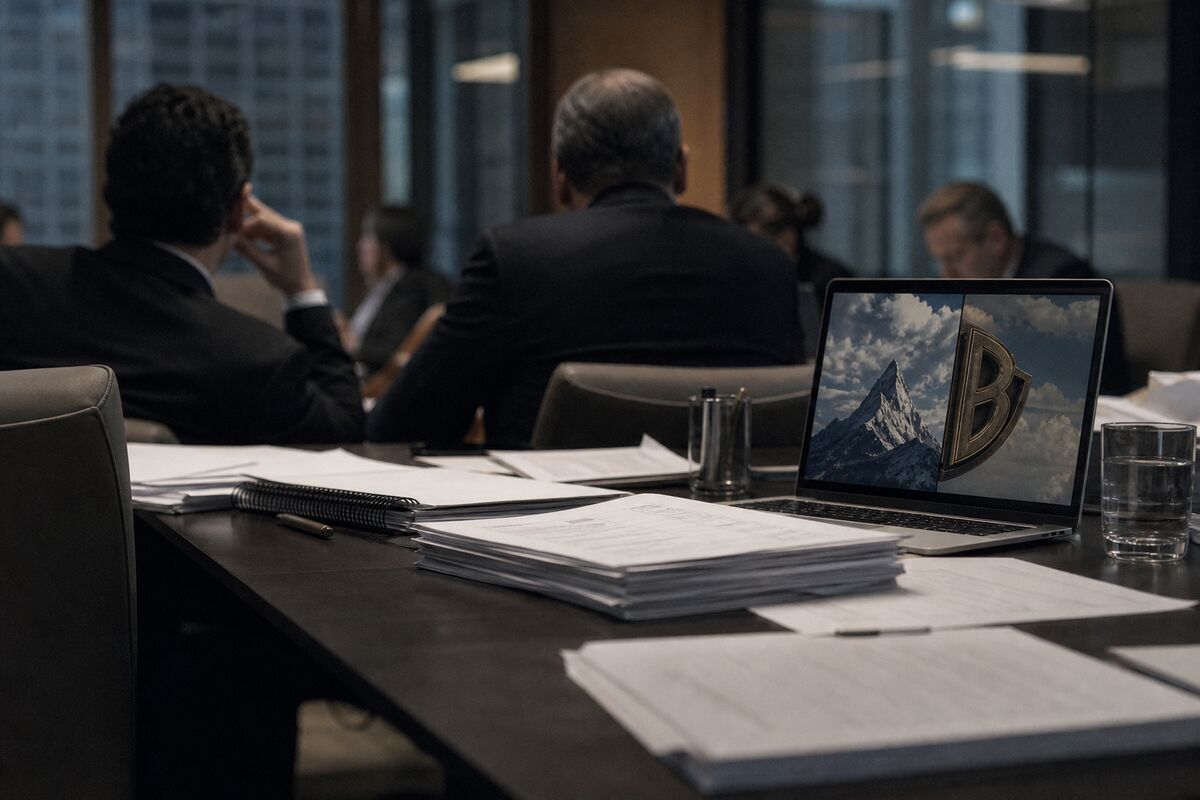
The landscape of media mergers is often rocky, but recent developments have thrown a particularly jagged stone into the path of the Paramount-Warner Bros. merger. In a move that has sent ripples through Wall Street, the Oregon Attorney General has formally requested a judge to delay Paramount Global’s acquisition of Warner Bros. Discovery. This legal intervention raises crucial questions about the future of the deal and its implications for investors.
At the heart of this request lies a growing concern over antitrust issues that could complicate the merger's trajectory. The Oregon AG's action suggests that state-level scrutiny is becoming a significant factor in a landscape where federal oversight has already been tightening. The implications of this request extend far beyond the courtroom; they could very well shape the regulatory framework for media and tech mergers in the United States.
For investors holding shares in Paramount ($PARA) and Warner Bros. Discovery ($WBD), this is a moment of uncertainty. The merger was initially seen as a strategic maneuver to bolster content offerings and enhance competitive positioning in an increasingly crowded media marketplace. Yet, legal challenges such as this one could dampen investor confidence, leading to volatility in share prices as stakeholders react to the unfolding drama.
The request from the Oregon AG is not just a procedural hurdle; it reflects a broader trend of increasing vigilance among state regulators regarding mergers that may diminish competition. If this delay is granted, it could set a precedent for other states to follow suit, potentially stalling other mergers and acquisitions in the media sector. Such a scenario could lead to a chilling effect on future deals as companies weigh the risks of entering a more contested regulatory environment.
The implications of this legal challenge are multifaceted. Investors in Paramount and Warner Bros. may find themselves grappling with not only the immediate concerns of this merger but also the larger regulatory landscape that is becoming more complex. As the Federal Trade Commission (FTC) ramps up its scrutiny of mergers, the actions taken at the state level could serve as a bellwether for future challenges. For those looking to navigate the choppy waters of media investments, understanding these dynamics is essential.
Market reactions to these developments are likely to be cautious. Investors might adopt a wait-and-see approach, refraining from making significant moves until there's clarity on the merger's fate. The uncertainty could lead to a defensive posture in the market, with shares of both companies potentially facing pressure as they navigate this legal maze.
In conclusion, the Oregon AG's request for a delay in the Paramount-Warner Bros. merger represents not just a legal obstacle but a signal of the changing tides in media regulation. As investors keep a close eye on this situation, the outcomes could have lasting implications for the future of media consolidation and the overall investment climate in the sector. For those with stakes in $PARA and $WBD, the unfolding story is one worth watching closely.
For more details, you can read the full report on Seeking Alpha.