
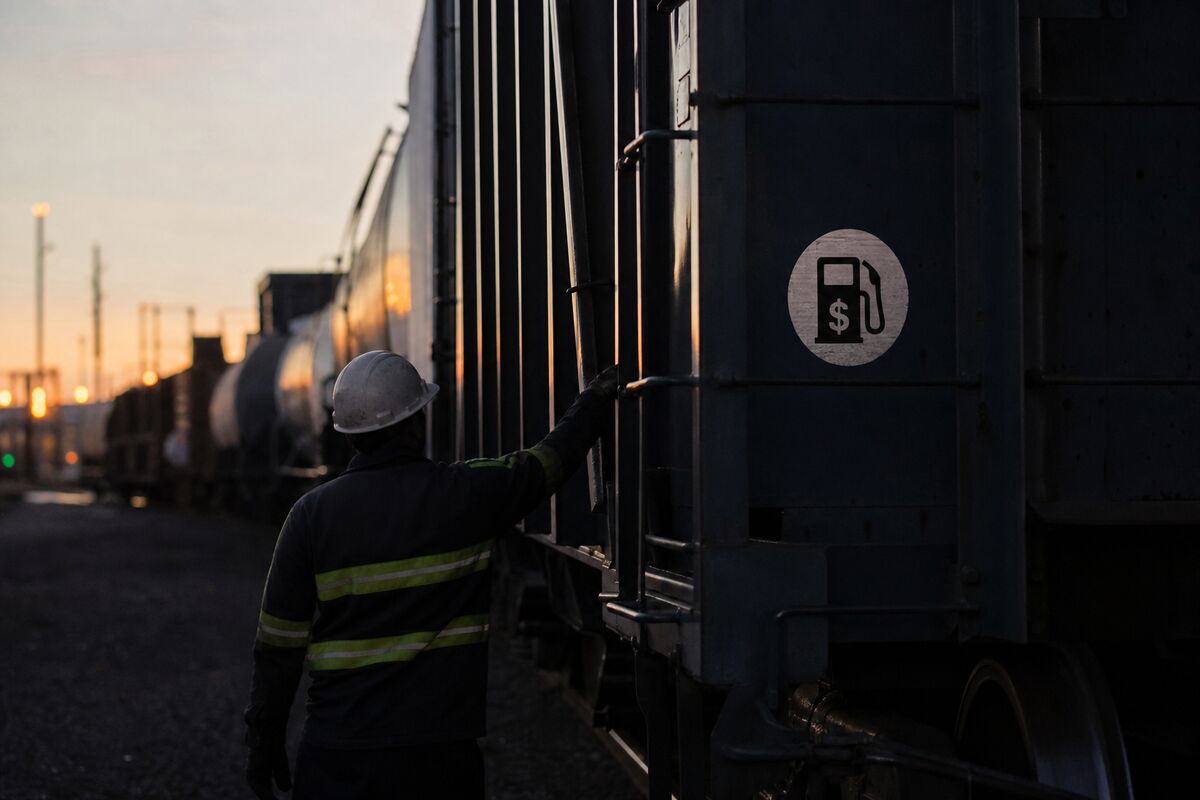
In a landscape where corporate governance meets the murky waters of geopolitics, Union Pacific ($UNP) finds itself in the crosshairs of regulatory scrutiny. The allegations that the railroad giant has transformed fuel surcharges—initially meant to offset the spike in costs driven by the Iran war—into profits is stirring up a tempest in the energy sector.
The implications of this controversy could ripple through the company's financial margins, as investors grapple with the potential fallout from heightened regulatory oversight. As oil prices remain buoyed by the ongoing stalemate in Iran, the intersection of energy prices and corporate ethics becomes increasingly fraught.
Fuel Surcharges: A Double-Edged Sword
Fuel surcharges are typically a necessary evil for companies that rely heavily on transportation and logistics. They serve as a cushion against sudden spikes in fuel prices, which can be particularly volatile in times of geopolitical unrest. However, when these surcharges transform from a mere cost-covering mechanism into a profit-generating strategy, the ethical lines begin to blur.
Reports suggest that Union Pacific has been converting these surcharges into profits, raising questions about the integrity of their pricing strategies. As the S&P 500 Energy sector is on track for its biggest weekly gain since October 2022 as of August 14, 2026, the scrutiny on Union Pacific could not come at a more pivotal moment. Investors are keenly watching how this narrative unfolds, especially in a market sensitive to both energy prices and corporate governance.
The Broader Implications
The implications of this situation extend beyond Union Pacific itself. If the allegations hold water, it could set a precedent for how corporate governance is scrutinized in the context of geopolitical events. Companies operating in energy-intensive sectors may find themselves under a microscope, as regulators seek to ensure that ethical practices are upheld, even in times of crisis.
Moreover, as energy prices continue to fluctuate, the strategies employed by corporations to manage these costs will likely be scrutinized more closely. The potential for regulatory backlash could lead firms to reevaluate their pricing structures to avoid similar pitfalls.
A Market at the Crossroads
As oil prices rise amid the uncertainty surrounding the Iran conflict, Union Pacific's alleged practices could serve as a bellwether for the energy sector. Investors should remain vigilant and consider the broader implications of corporate ethics in their investment strategies. The intersection of energy prices, geopolitical tensions, and corporate governance is steering the market into uncharted waters.
The current landscape suggests that businesses may need to navigate the rocky terrain of public perception as closely as they do the operational challenges posed by fluctuating energy costs. In this climate, the consequences of allegations like those against Union Pacific could resonate far beyond their immediate financial metrics.
As we await further developments, one thing is clear: the convergence of energy prices and corporate responsibility will continue to shape the market narrative in the months to come. For now, Union Pacific stands at a crossroads, facing not only the potential regulatory fallout but also the scrutiny of an increasingly aware investor base.
For further details on these developments, check out the full report on Reuters.