
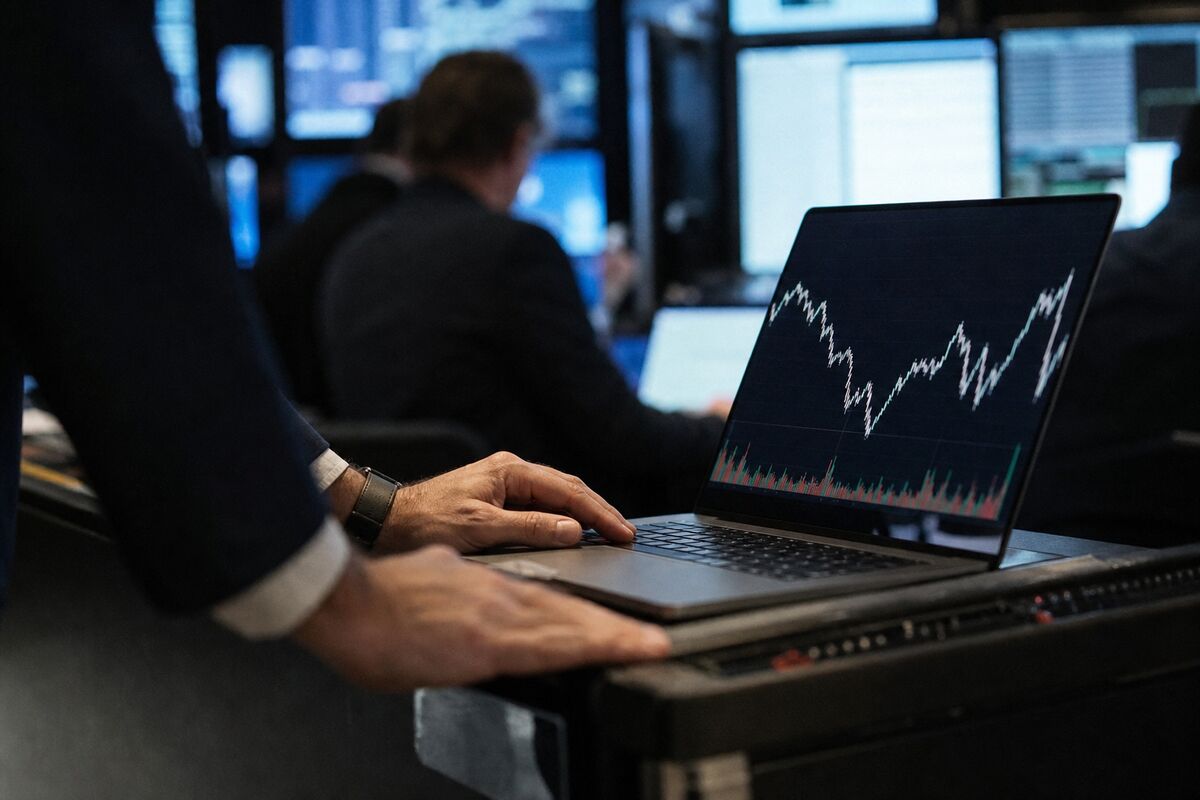
The recent 350-point intraday swing in the Nasdaq is not merely a statistic; it is a clarion call for traders to reassess their strategies in an increasingly volatile market. The Nasdaq's ability to erase a significant loss and close up 20 points at 24,952 showcases both resilience and the unpredictable nature of today’s trading environment. This kind of volatility is a reminder that the market can pivot on a dime, forcing market participants to adapt swiftly.
During the same session, the Dow Jones Industrial Average surged by 656 points, marking a 1.26% increase, while the S&P 500 also posted gains. This performance indicates a robust rebound in broader market sentiment, yet it raises questions about the sustainability of such moves. Traders should take heed: while the markets may rally, the underlying factors driving these changes deserve rigorous scrutiny.
The Impact of Currency and Commodity Movements
As the equity markets reacted positively, a notable decline in the USD and crude oil prices accompanied this volatility. The inverse relationship between these commodities and equity prices has been well-documented, suggesting that as the dollar weakens, equities may gain traction. This scenario presents both opportunities and risks, as traders must navigate the complexities of these interrelationships.
Chip Stocks on the Downturn
The ongoing downturn in chip stocks, particularly with Nvidia under scrutiny, adds another layer of complexity to market analysis. CNBC's Jim Cramer raised concerns regarding whether the selling pressure on Nvidia has been overdone, a sentiment that resonates with many market watchers. The chip sector is a bellwether for broader technology trends, and its struggles could signal potential headwinds for the tech-heavy Nasdaq.
What This Means for Traders
For traders, the implications of these market dynamics are profound. A volatile Nasdaq, coupled with fluctuating commodity prices and a struggling chip sector, suggests that caution is warranted. The dramatic swings observed recently may be symptomatic of deeper market anxieties that require acute awareness and strategic foresight.
As we look to the future, it is essential for traders to not only monitor price movements but also to consider the broader economic indicators at play. The interplay between currency valuations, commodity prices, and sector performances will be critical in shaping trading strategies moving forward.
In conclusion, the recent market volatility exemplifies the need for vigilance and adaptability in trading strategies. As history has shown, markets can turn rapidly, and the ability to respond effectively to these changes could spell the difference between success and failure.
Source