
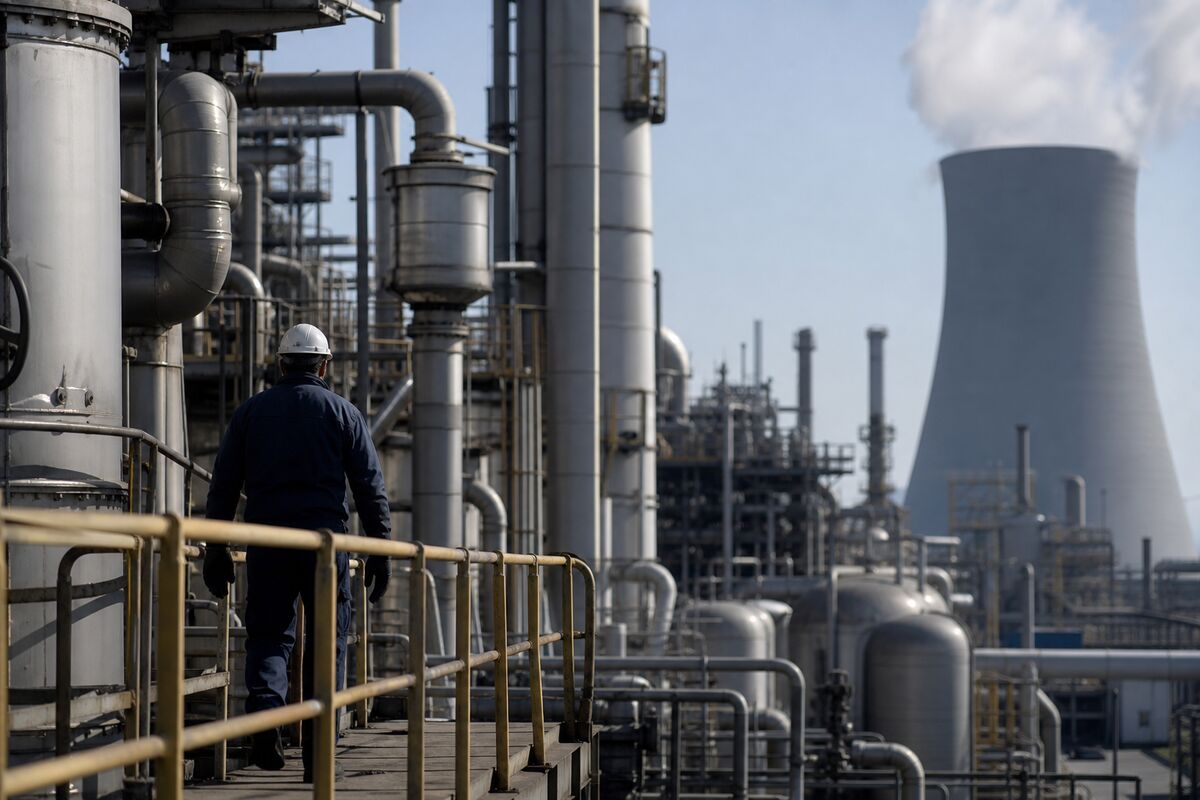
Fertilizer consolidation is moving from theory to transaction. Mosaic’s agreement to sell its Louisiana ammonia plant to CF Industries for approximately $600 million provides a clear example of how major producers are reshaping ownership of U.S. nitrogen assets.
The deal matters beyond the two companies involved. Ammonia sits at the intersection of fertilizer, industrial chemicals and agriculture-related input costs, making this transaction a useful signal for investors tracking the structure of the U.S. production base.
According to the merger and acquisition newswire report, Mosaic agreed to sell its Louisiana ammonia plant to CF Industries in a transaction valued at approximately $600 million. The assignment provides no additional terms, financial details or operating metrics, so the strategic read must remain focused on what the ownership change itself indicates.
A concentrated U.S. nitrogen footprint
The most important point is straightforward: an ammonia asset is moving between two established fertilizer producers. Mosaic is reducing its direct ownership of the Louisiana plant, while CF Industries is expanding its position in U.S. ammonia production. That is consolidation in practical terms—not a vague industry theme, but a specific transfer of a nitrogen-producing facility to another large participant.
For the broader fertilizer market, the transaction may indicate that scale and asset concentration remain central to corporate strategy. Ownership of ammonia capacity can matter to how producers organize their businesses, manage industrial infrastructure and position themselves across fertilizer and chemical markets. However, the available information does not establish how the sale will affect production volumes, regional supply or pricing.
Why investors may care
Investors tracking fertilizer producers may view the transaction as a data point in the continuing reallocation of U.S. nitrogen assets. It suggests that companies are still evaluating which facilities fit their portfolios and which assets may be better owned by another industry participant. That could matter for the competitive landscape, even though the announcement alone does not quantify any change in earnings, costs or market share.
The agriculture connection is equally important. Ammonia is tied to fertilizer supply, and fertilizer is an input cost for agricultural producers. A change in ownership may therefore attract attention from investors analyzing the relationship between industrial chemicals and farm economics. Still, it would be premature to draw a direct conclusion about farmer costs from this transaction alone. No pricing impact was provided in the reported details.
The disciplined takeaway
The $600 million valuation gives the market a concrete measure of the transaction, but not a complete investment thesis. Without additional terms or operating data, the strongest conclusion is that U.S. nitrogen production is seeing further consolidation through the transfer of a Louisiana ammonia plant from Mosaic to CF Industries.
That is a meaningful strategic signal. It reinforces the importance of scale, portfolio decisions and ownership concentration in fertilizer and industrial-chemical markets. The next question for investors is not whether consolidation exists—it clearly does in this transaction—but how the asset will fit into CF Industries’ operations and what, if anything, the change ultimately means for fertilizer supply and agriculture-related input costs.
Bull/Bear Verdict
Bull Case: The approximately $600 million sale may indicate that CF Industries sees strategic value in expanding its U.S. ammonia footprint, potentially reinforcing its position in nitrogen production.
Bear Case: The transaction alone does not provide evidence of higher fertilizer prices, lower agriculture-related input costs or improved financial performance, leaving its broader market impact uncertain.