
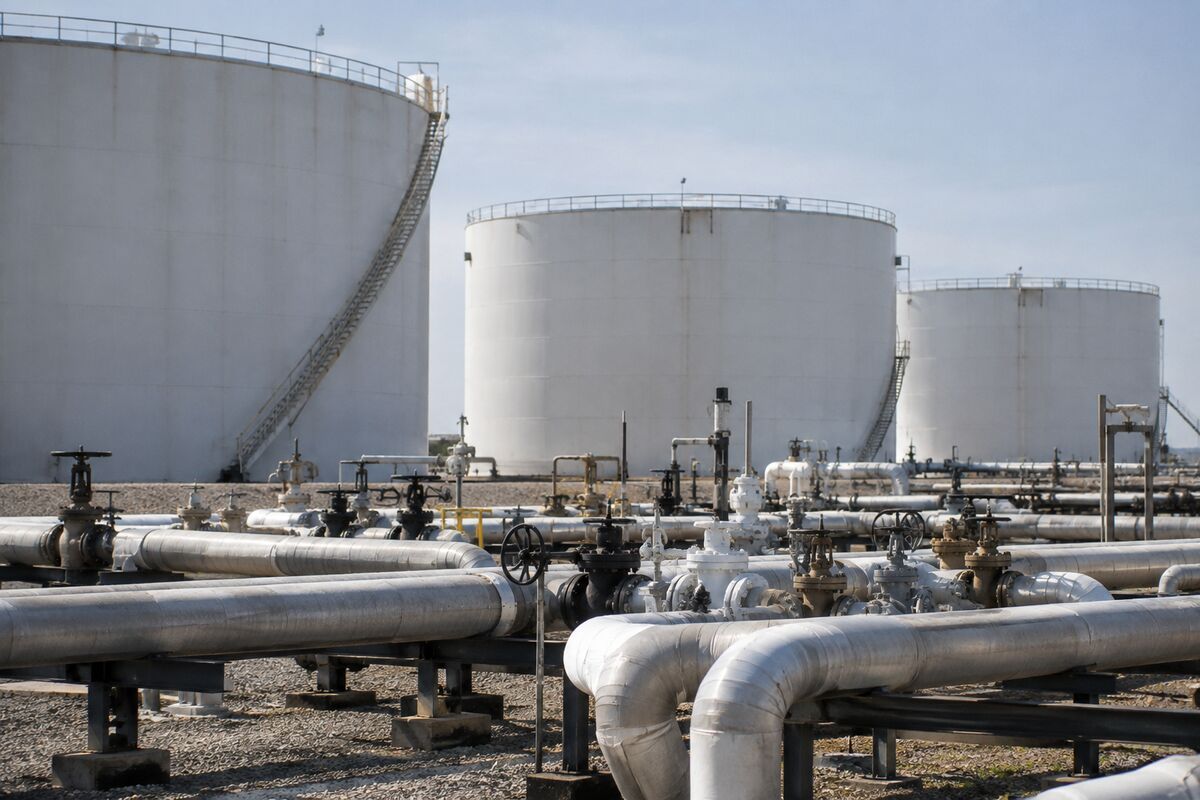
North American energy markets are confronting a high-stakes contradiction: Washington is preparing to use the Strategic Petroleum Reserve to address tighter crude conditions just as oil and gas equities are registering substantial sector gains. The US solicited an exchange of up to 17 million barrels from the SPR, according to Reuters reporting carried through Google News.
That proposed exchange is not a routine backdrop event. It puts a government supply response directly beside market signals that crude is under pressure, geopolitical tensions remain elevated and energy groups are attracting attention. For US and Canadian market participants, the question is whether the SPR action helps ease physical tightness—or instead reinforces the view that the oil market is moving toward a sharper price test.
SPR action meets a tighter physical market
The proposed exchange involves up to 17 million barrels, a clearly defined volume that gives the policy response measurable scale. The mechanism is intended to address near-term crude availability through the SPR, but the broader market is being shaped by more than storage policy. Physical oil markets are tightening, while geopolitical events—including Iranian tanker attacks—are keeping crude markets on edge.
That combination matters because supply disruptions and geopolitical uncertainty can amplify the market impact of already-tight physical conditions. The SPR proposal may signal that US policymakers are focused on supply stability, while the market response will depend on how effectively the exchange offsets pressure from disruptions and constrained availability.
Energy equities are already sending a signal
Yahoo Finance sector data show a notable performance gap across energy groups:
- Oil & Gas Midstream: up 10.63%.
- Oil & Gas Integrated: up 2.64%.
Those figures do not establish that every energy stock moved by the same amount, but they do show that both subsectors were positive, with midstream posting the stronger gain. The contrast is useful: midstream exposure may be drawing particular attention as the market weighs supply logistics, while integrated producers and refiners are also participating in the energy advance.
Canadian Natural Resources is a relevant Canadian energy equity in this discussion. No share price was provided in the source material, so the company’s inclusion is best understood as part of the broader North American equity lens rather than as a claim about its individual performance.
“Super spike” language raises the inflation question
A William Blair energy analyst described oil prices as near a potential “super spike.” That is an analyst characterization, not a confirmed market outcome, but it captures the tension between tightening supply conditions and official efforts to add barrels through the SPR exchange.
For investors tracking US and Canadian equities, a crude-price breakout could have effects beyond energy-sector earnings. Higher oil prices may feed into inflation expectations through fuel and transportation costs, complicating the market’s interpretation of future monetary-policy conditions. Conversely, an effective SPR exchange could reduce some immediate supply anxiety and limit the inflationary impulse if it improves physical availability.
The key data points are therefore moving in different directions: a proposed release mechanism covering up to 17 million barrels, sector gains of 10.63% and 2.64%, and geopolitical pressure that has not disappeared. That is a market setup defined by competing forces rather than a settled trend.
What North American investors are watching
The next market signal may come from whether crude prices respond more strongly to the SPR supply proposal or to tightening physical conditions and geopolitical risk. A sustained breakout could strengthen the case for continued energy-equity momentum while raising questions about inflation expectations. A successful policy response could produce the opposite effect by easing supply concerns.
For now, the SPR exchange puts a hard number on the government response, while the sector data show that energy equities are already in focus. The combination leaves Canadian and US energy markets unusually sensitive to each new supply, geopolitical and inflation signal.
Bull/Bear Verdict
Bull Case: Energy-equity strength could continue if tightening crude conditions and geopolitical tension outweigh the proposed 17-million-barrel SPR exchange, with Oil & Gas Midstream already up 10.63% and Oil & Gas Integrated up 2.64%.
Bear Case: The SPR exchange may ease physical supply pressure, potentially moderating crude-price momentum and inflation expectations after the William Blair analyst’s warning of a possible “super spike.”