
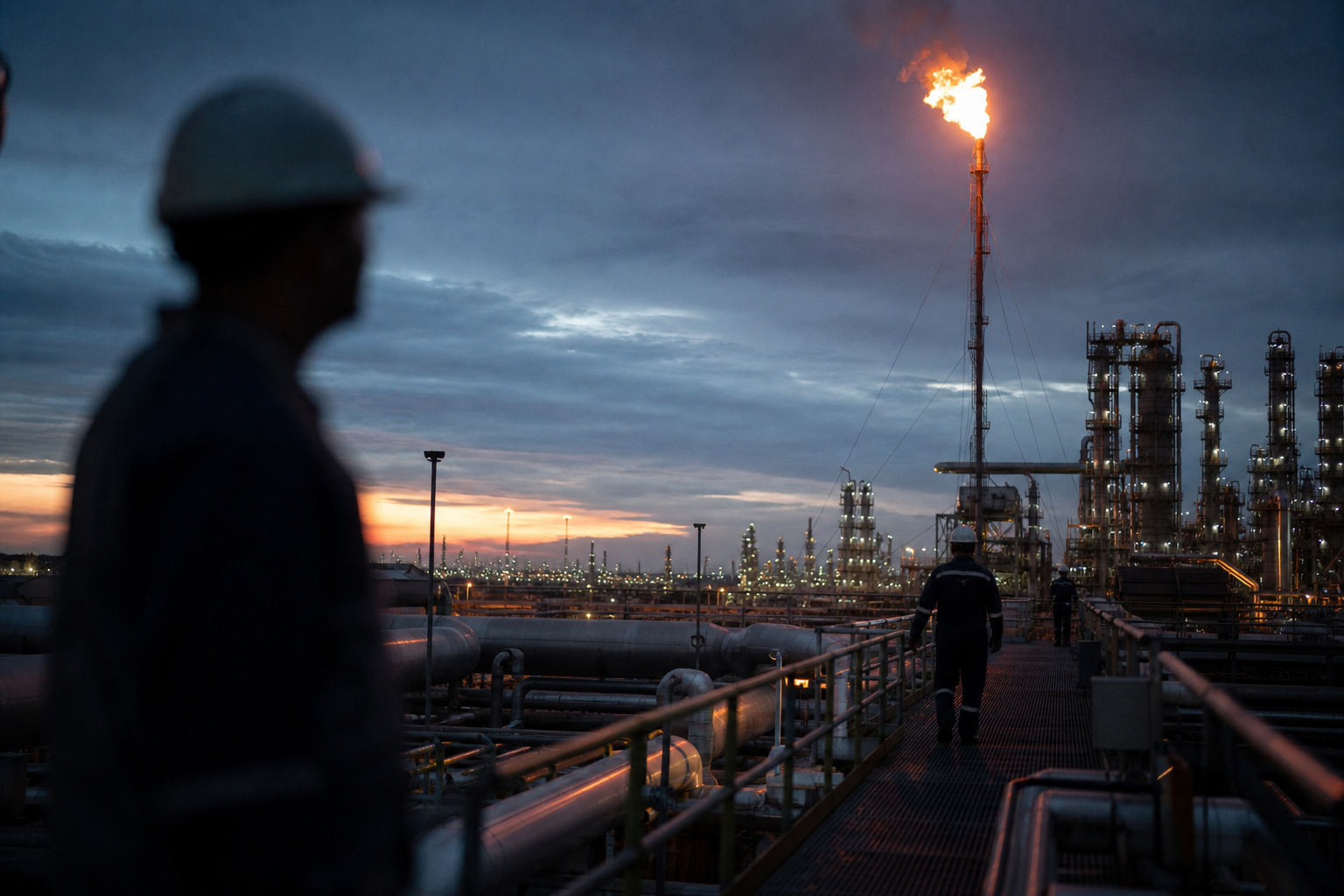
As geopolitical tensions flare in the Middle East, the implications ripple through financial markets with alarming clarity. Reports of explosions in Iranian port cities have sent crude oil prices soaring, reflecting investor fear and uncertainty. With WTI Crude now priced at $88.78 and Brent Crude at $93.50, the connection between military action and market responses is stark.
The immediate aftermath of U.S. military strikes has historically led to heightened crude oil prices, a trend that appears to be playing out once again. The correlation between rising oil prices and declining U.S. equity markets is evident, as traders flee riskier assets in favor of safe havens. This dynamic is further complicated by surging Treasury yields, with the 10-year yield reaching its highest point since January 2025 amid these escalating tensions.
The Crude Oil Price Surge
Crude oil, a barometer of global economic health, reacts sharply to geopolitical events. The latest military action in Iran has injected volatility into the market, with WTI Crude climbing to $88.78 per barrel and Brent Crude at $93.50. Historical data suggests that such spikes in oil prices often lead to increased production costs and inflationary pressures, which can slow economic growth.
Impact on U.S. Equity Markets
The relationship between rising crude prices and falling equity markets cannot be overstated. As oil prices increase, sentiment around consumer spending tends to wane, particularly in energy-intensive sectors. The current market environment is a stark reminder of the 2008 financial crisis when soaring oil prices contributed to a broader economic downturn.
Moreover, as crude prices rise, so do Treasury yields. The 10-year yield recently hit levels not seen since January 2025, a clear indication that investors are pricing in potential inflationary risks associated with higher energy costs. This historical precedent suggests that we may be in for a turbulent period as markets adjust to these new realities.
Canadian Energy Producers Under Pressure
The ramifications of rising oil prices are not confined to the U.S. market. Canadian energy producers listed on the TSX are also feeling the heat. Companies like Suncor ($SU) could experience both benefits and challenges in this environment. While higher global oil prices may boost revenues, increased costs of production and potential market volatility could offset these gains.
As investors watch these developments, the focus will likely shift to how Canadian producers navigate this challenging landscape. The TSX could see increased volatility as energy stocks react to both crude price fluctuations and broader market sentiment influenced by geopolitical events.
Conclusion
The current geopolitical tensions in the Middle East, marked by U.S. military action, are a stark reminder of the fragile nature of global markets. With crude oil prices on the rise and Treasury yields responding in kind, investors are faced with a complex landscape of potential opportunities and risks. The interplay between these factors will be crucial to monitor as we move forward.
Source