
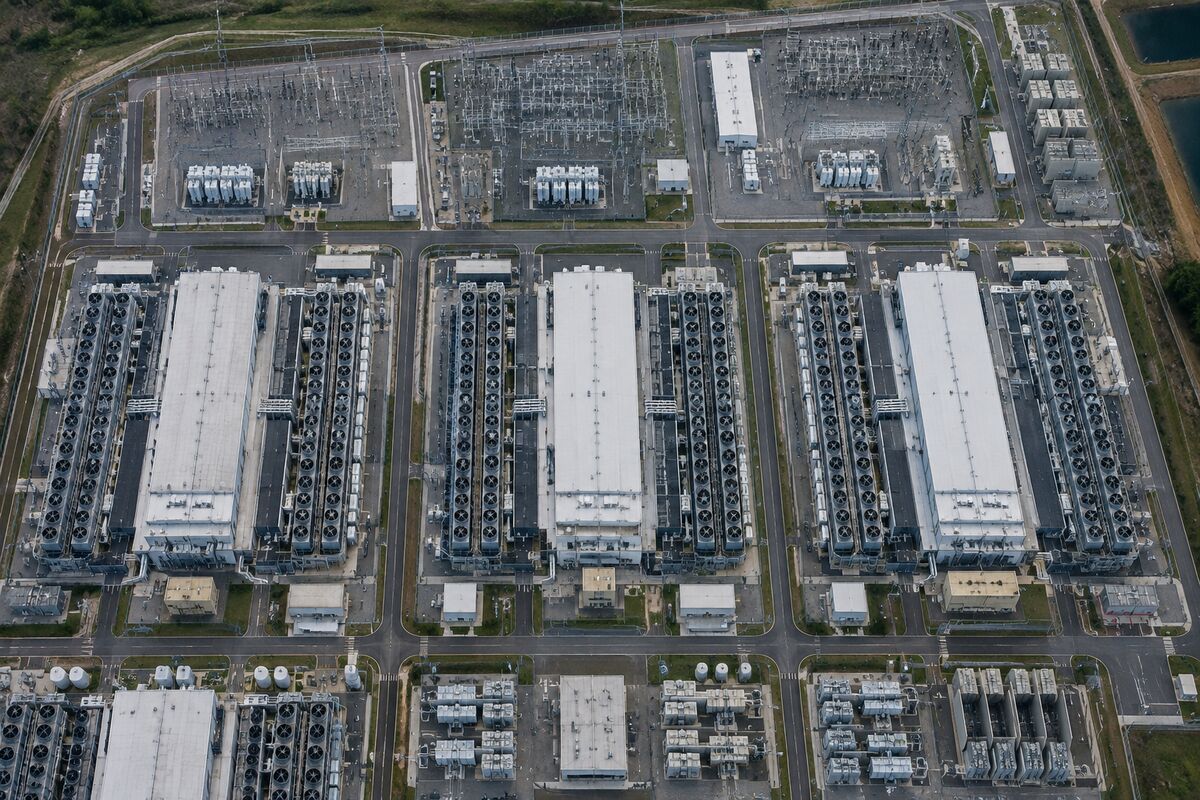
The AI data-center boom may be running into a constraint that does not appear on a server order or construction schedule: insurance capacity. Aon CEO Greg Case has warned that the concentration of exposure at AI data centers could make coverage harder to secure, creating a potential financing bottleneck for the next wave of projects.
That matters because insurance is not a side issue in large infrastructure development. If insurers pull back from concentrated exposures or reprice coverage, hyperscalers, infrastructure developers, REITs and utilities could face more demanding financing structures before new capacity is built. As reported by CNBC, Case’s warning puts insurance capacity directly into the debate over the scale and sustainability of AI infrastructure spending.
Insurance is part of the financing equation
Data-center projects require substantial capital commitments, and lenders, owners and other project participants typically need clarity around the risks attached to the underlying asset. Insurance can help define how those risks are allocated. When coverage is available on acceptable terms, it may support a more predictable financing structure. When capacity tightens, the project economics can change even if demand for computing remains strong.
The issue is concentration. AI data centers can represent large and similar exposures gathered in particular locations or linked to the same technology and infrastructure cycle. Case’s warning suggests that insurers may become more cautious about how much exposure they are willing to accept in one segment. That does not mean every project will face the same outcome, but it does indicate that insurance availability could become a gating factor alongside power, land, equipment and financing.
What a pullback could mean for new projects
If insurers reduce capacity or raise the cost of coverage, project sponsors may need to revisit their financing plans. Possible responses could include higher insurance costs embedded in project budgets, additional reserves, revised contractual risk-sharing arrangements or greater reliance on alternative forms of protection. Each approach could affect the timing and economics of construction.
For lenders, the question is not simply whether a data center can be built. It is whether the project can preserve a workable risk allocation over its operating life. A change in insurance terms could therefore influence debt structures, construction milestones and the obligations negotiated among technology companies, developers, utilities and other counterparties.
A broader test for the AI capital-expenditure cycle
Investors have been focused on the enormous infrastructure requirements associated with artificial intelligence. The insurance warning adds a less visible test to that investment cycle. Demand for data-center capacity may be powerful, but demand alone does not eliminate constraints in the financial and physical systems needed to deliver it.
For hyperscalers, insurance capacity could become another input into the cost and timing of expansion. Infrastructure developers and REITs may need to account for the availability and pricing of coverage when evaluating new projects. Utilities, meanwhile, could face indirect implications if insurance constraints slow the pace at which new data-center loads are financed and constructed.
The important point is not that insurance alone will stop AI infrastructure investment. The point is that a concentrated exposure can create pressure at precisely the moment when capital spending is expanding. That may encourage more caution around project underwriting and expose differences between announced ambitions and financeable construction.
The investor takeaway
Aon’s warning moves insurance from the background to the center of the AI infrastructure discussion. Investors monitoring US technology and infrastructure should view coverage availability and cost as part of project economics, not as an administrative detail. The data available here does not establish a specific market impact or quantify any change in premiums. It does, however, identify a potential constraint that could alter how future AI data centers are financed.
In previous infrastructure cycles, bottlenecks rarely arrive from only one direction. Power, equipment, capital and regulation can all matter. Insurance capacity now belongs on that list. If concentration risk continues to concern insurers, the next phase of the AI buildout may depend not only on who wants to build, but also on whether the financial system can absorb the exposure.
Bull/Bear Verdict
Bull Case: If insurance capacity remains available on workable terms, it may support continued financing for AI data-center projects and help sustain the infrastructure spending cycle.
Bear Case: If concentration risk leads insurers to pull back or reprice coverage, higher costs and more restrictive financing structures could slow new projects and challenge assumptions about the pace of AI infrastructure expansion.