
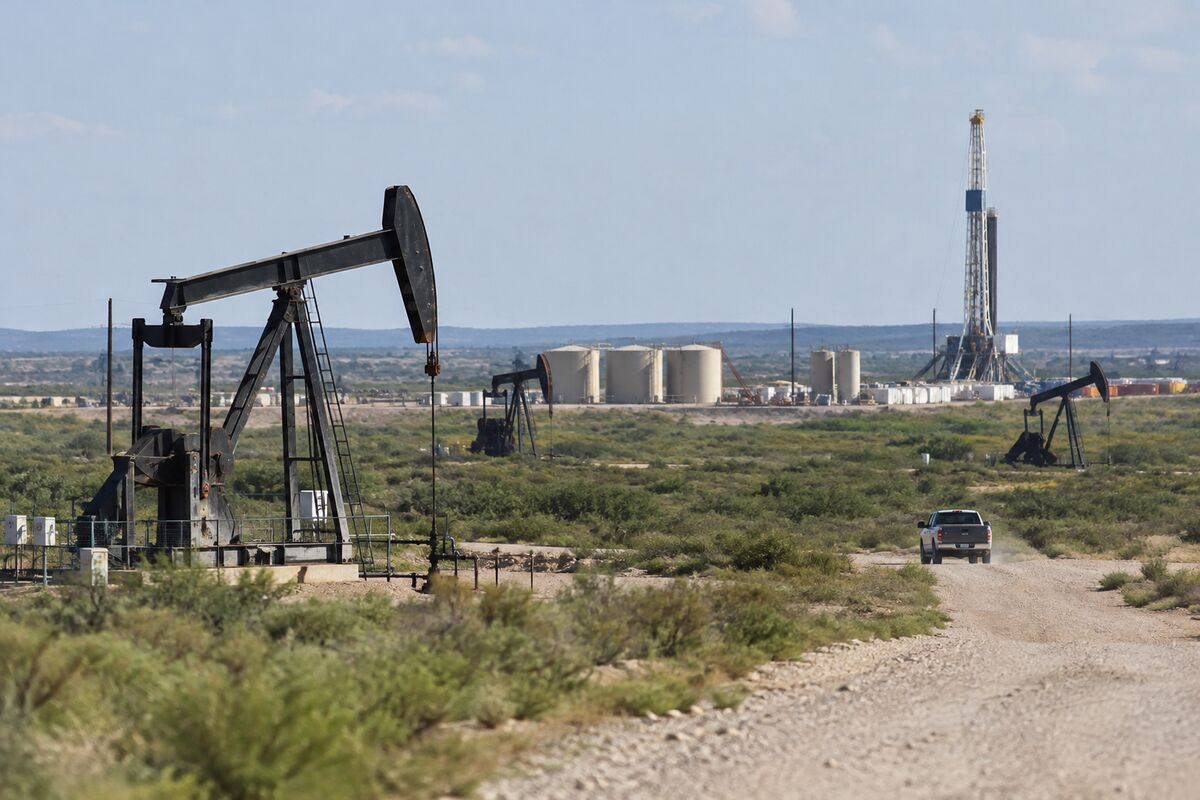
Permian consolidation just crossed another important line: Texas Pacific Land has agreed to acquire EagleRock in a transaction valued at approximately $3 billion. This is not merely a land purchase. It is a strategic expansion of the rights—particularly land and water—that sit beneath the economics of one of the most important US energy regions.
The market’s initial verdict was equally clear. EagleRock shares, trading under $EROK, rallied 15% following the announcement, while the transaction placed Texas Pacific Land, or $TPL, at the center of another major Permian Basin consolidation move. The deal’s size and focus make it a development that land, royalty, and energy-infrastructure investors may watch well beyond the two companies involved.
A $3 Billion Bet on Scarce Permian Rights
Texas Pacific Land agreed to buy EagleRock for approximately $3 billion, expanding TPL’s footprint across Permian land and water rights. Those assets matter because they can shape how operators access and develop acreage, manage water needs, and participate in the broader value generated by energy activity.
The strategic logic is straightforward, even if the execution will require scrutiny. A broader rights portfolio may give TPL greater scale across the Permian and increase its exposure to the region’s ongoing industrial activity. Land rights can provide a foundation for development, while water rights have become increasingly important to the practical operation of energy projects. Together, they represent control over infrastructure-adjacent resources that operators may need as activity develops.
That does not make the transaction automatically attractive on every measure. A $3 billion price tag raises the central question investors always ask in a large acquisition: what must the acquired assets deliver for the strategic rationale to translate into long-term value? The answer will depend on the quality, location, and commercial potential of EagleRock’s land and water holdings—details that investors may monitor as the transaction progresses.
Why the 15% EROK Rally Matters
The reported 15% rally in $EROK shares following the announcement is a direct market signal. It indicates that shareholders viewed the agreed transaction value favorably, at least initially. The move also shows how quickly public-market pricing can respond when a private or less broadly followed rights platform becomes the subject of a major strategic acquisition.
For TPL, the reaction is more complicated. The buyer is taking on a transaction valued at approximately $3 billion to expand its Permian position. That could strengthen its competitive footprint, but it also puts the focus on capital allocation, transaction execution, and the ability to manage a larger collection of land and water interests. The market may weigh those factors against the strategic benefits as more information emerges.
A Signal for US Energy-Rights Consolidation
This deal may represent another step in the consolidation of US energy land, royalty, and infrastructure assets. The read-through is not that every Permian-focused company will pursue a transaction of similar size. Rather, it is that strategically important rights may attract greater attention as operators and investors assess the value of control, scale, and access.
For other US-listed Permian-focused land, royalty, and energy-infrastructure names, the transaction could sharpen comparisons around asset quality and strategic positioning. Investors may examine whether companies possess differentiated land or water rights, whether their portfolios overlap with active energy regions, and whether consolidation could become a more prominent feature of the sector. No simple valuation conclusion follows from one transaction, but a $3 billion deal creates a useful benchmark for the market’s ongoing debate.
The reported transaction details and EROK’s 15% share-price reaction establish the immediate facts. The next phase will be about what those facts mean in practice.
The Questions That Matter Next
- How will Texas Pacific Land integrate EagleRock’s land and water rights into its existing Permian footprint?
- What does the approximately $3 billion valuation imply about the strategic importance of those assets?
- Will the acquisition encourage additional consolidation among US land, royalty, and energy-infrastructure companies?
- How will investors assess the transaction once more information becomes available about the acquired rights and their commercial potential?
The bottom line: TPL is using a major acquisition to expand in the Permian, while EROK’s 15% rally shows that the market immediately recognized the significance of the deal. The transaction could strengthen TPL’s strategic position, but the investment case will ultimately turn on execution and the value realized from the enlarged land and water portfolio.
Bull/Bear Verdict
Bull Case: The approximately $3 billion acquisition could give $TPL a broader and more strategically important Permian land and water rights platform, while the 15% rally in $EROK suggests shareholders initially viewed the transaction favorably.
Bear Case: The same approximately $3 billion price tag could increase scrutiny of TPL’s capital allocation and execution, particularly if the expanded land and water footprint does not deliver the strategic value investors expect.