
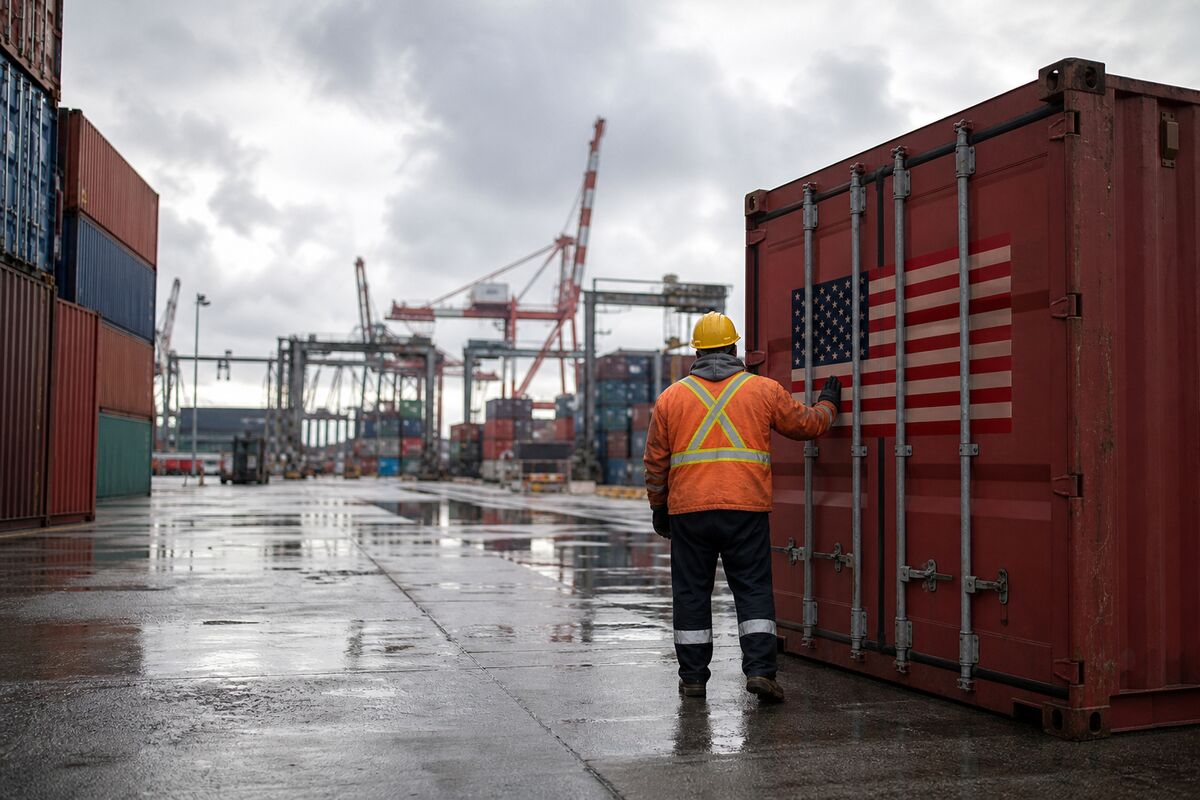
The abrupt failure of US-Canada trade negotiations has sent shockwaves through the financial landscape, as Canadian exporters now face the harsh reality of a new 50% tariff regime imposed by the Trump administration. This seismic shift not only jeopardizes the profitability of Canadian goods in the US market but threatens to destabilize the entire TSX market, particularly within the energy and materials sectors.
As the tariffs come into effect, the immediate implications for Canadian exporters are stark. Many companies that rely heavily on the US market for sales could see their operating margins erode significantly. The TSX, which is home to a plethora of commodity producers, may also feel the pinch as these tariffs create a ripple effect through the supply chain, potentially leading to a contraction in trade volumes and a decline in commodity prices.
Impact on Canadian Exporters
With a 50% tariff now in place, Canadian exporters are likely to confront a dual challenge: the immediate increase in costs associated with exporting goods, and the potential loss of market share to cheaper alternatives from other countries. This is particularly damaging for sectors such as agriculture and manufacturing, where profit margins are already thin. Companies that had relied on a favorable trade relationship with the US will need to pivot quickly to mitigate losses.
TSX Commodity Producers at Risk
For TSX-listed commodity producers, the landscape has shifted dramatically. Energy producers, in particular, may face significant headwinds as the costs of exporting oil and gas skyrocket due to these tariffs. The materials sector, which includes mining companies, is also likely to experience volatility as global demand dynamics shift. With the Canadian dollar potentially depreciating as a result, this could create a paradox where lower currency values might not provide the necessary cushion against escalating tariffs.
Potential Canadian Dollar Depreciation
The economic fallout from these tariffs could lead to a depreciation of the Canadian dollar. A weaker CAD may initially seem beneficial for exporters by making Canadian goods cheaper for foreign buyers. However, the reality is more complex. If the market perceives the tariffs as a significant threat to trade, the Canadian dollar could suffer further, complicating the trade landscape and increasing costs for imported goods.
Volatility in the TSX Market
As traders digest these developments, volatility is likely to become a hallmark of the TSX in the near term. The energy and materials sectors will be under particular scrutiny, with potential sell-offs on the horizon as investors reassess the value of companies heavily reliant on US exports. This situation may lead to increased trading activity as market participants seek to navigate the uncertain waters ahead.
Considerations for Traders
In light of this macroeconomic event, traders should remain vigilant. The next few weeks will be crucial as the market adjusts to the implications of these tariffs. Strategies may need to be recalibrated, particularly for those with exposure to Canadian commodities or companies heavily dependent on the US market. Keeping an eye on currency fluctuations and commodity price movements will be essential for making informed trading decisions.
As we stand at this crossroads, the failure of US-Canada trade talks serves as a stark reminder of the delicate balance in international trade. Traders and investors alike must brace for the potential fallout ahead, as the implications of these tariffs will likely reverberate through the Canadian economy and the TSX for some time to come.
For further insights, refer to the original report from CNBC.