
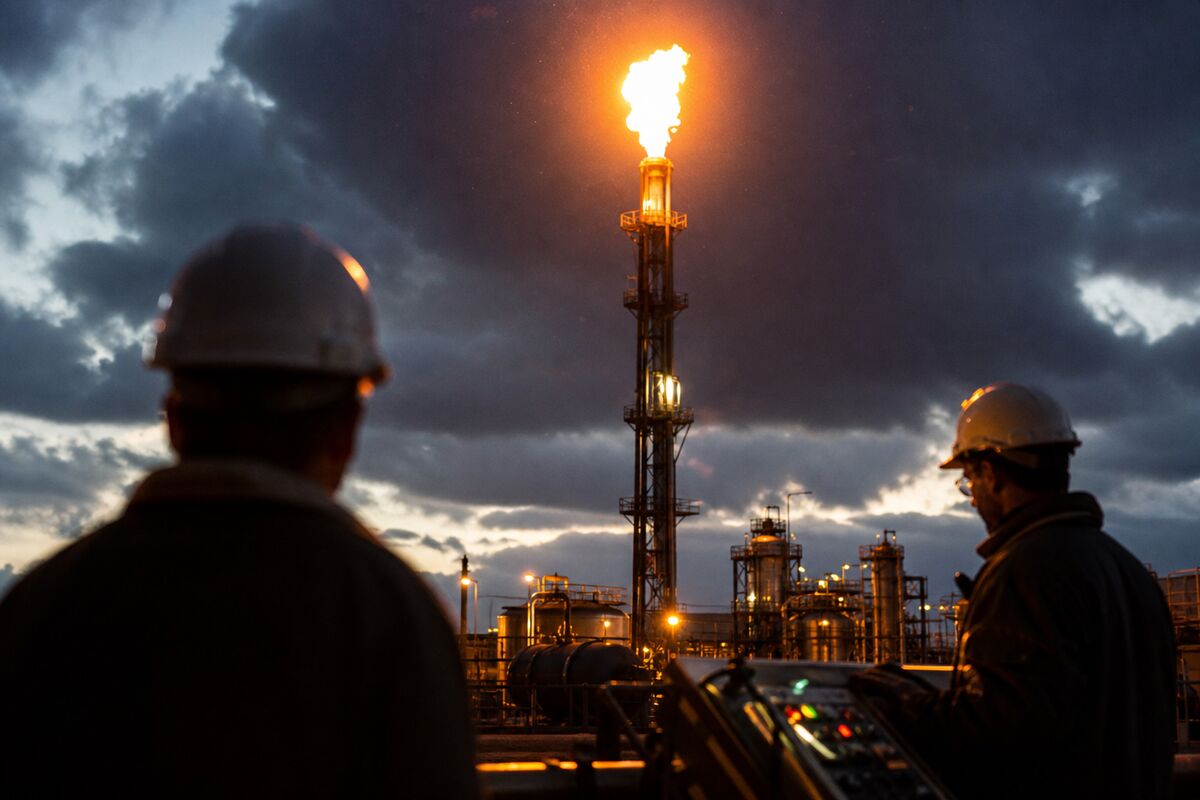
The recent surge in crude oil prices, now comfortably above $102 per barrel, signals a profound shift in the energy landscape. This marks the highest close since May, driven by a confluence of geopolitical tensions and dwindling domestic inventories. The implications for North American traders are significant, suggesting a period of volatility and potential opportunity.
As of now, Brent crude has also made headlines, trading at approximately $108.54. The backdrop of these price movements includes pivotal events such as the recent drone attack on Saudi Arabia's pipeline and the Houthi control over crucial Red Sea shipping lanes. These developments are creating notable supply shocks that are pushing prices upward.
Supply Shocks and Their Consequences
The geopolitics of oil cannot be understated. The drone attack has not only disrupted pipeline operations but has also raised concerns about the reliability of supply chains in the region. With the Houthis asserting control over significant maritime routes, the risk of further disruptions looms large. This uncertainty is a classic example of how geopolitical factors can dramatically affect commodity prices.
Moreover, Chevron's CEO has expressed serious concerns regarding depleted crude oil buffers, indicating that the current supply situation could tighten even further. This sentiment is corroborated by the latest data from the Energy Information Administration (EIA), which reported a decrease of 400,000 barrels in U.S. crude inventories. Such a decline further fuels the bullish sentiment currently prevailing in the market.
What This Means for Traders
For North American traders, the implications of rising oil prices are multifaceted. On one hand, higher prices could lead to increased revenues for oil companies like $CVX and $COP, offering potential for growth. However, the rising costs could also squeeze consumers and businesses reliant on oil, potentially stifling broader economic growth.
Volatility is likely to be the name of the game in the coming weeks. Traders should be on high alert for further developments in the Middle East, as any new disruptions could send prices soaring even higher. Additionally, the market's response to inventory data and production levels from major oil producers will be crucial as traders navigate this complex landscape.
A Historical Perspective
Historically, spikes in oil prices have often been accompanied by significant market reactions. For instance, during the oil crises of the 1970s and other geopolitical turmoil periods, prices not only surged but also led to broader economic implications, including inflationary pressures. While the current situation is not directly comparable, the lessons of history suggest that traders should prepare for a potentially turbulent market ahead.
In sum, the current state of crude oil prices, driven by geopolitical tensions and inventory dynamics, presents both challenges and opportunities for North American traders. As prices hover above $102 per barrel, the market remains on edge, wary of the implications of supply shocks and geopolitical instability.
For further insights on this developing situation, you can read more here.